
Story & Lore
How Krat and Oz connect: the Lies of P story beats that set up Wonders of O, and why Dorothy is travelling towards the city, not away from it.
Introduction
The Oz thread was laid years before the trademark existed, and this category walks it in order. Lies of P resets Carlo Collodi's puppet story inside Krat, a Belle Epoque city where puppets and alchemists between them bring about the catastrophe known as the Puppet Frenzy. The plot is driven by an alchemist named Paracelsus, who spends the game beside the player under the merchant identity Giangio without being recognised until the closing act. When the credits end, he is on a train telling an unseen woman that he still has to find Dorothy, and the camera holds on a figure in ruby slippers crossing a rooftop in the same city. That sequence is why the sequel is expected to fold the world of L. Frank Baum into the world the studio already built, rather than moving the series to a new continent. This category collects the beats that matter, the public-domain material the studio can draw on freely, and the open questions that no announcement has answered yet.
The Oz Trail, Beat By Beat
| # | Beat | What it establishes | Oz link |
|---|---|---|---|
| 1 | Krat and the Puppet Frenzy | A Belle Epoque city ruined by its own automata and alchemists | Indirect |
| 2 | Paracelsus as Giangio | The antagonist operates in disguise, guiding the player unknowingly | Direct |
| 3 | The post-credits train scene | Paracelsus is still searching for Dorothy after the story ends | Direct |
| 4 | The rooftop figure | Ruby slippers, heel click, an unnamed woman above Krat | Direct |
| 5 | The naming convention | Collodi's puppet was never called Pinocchio in-game | Structural |
| 6 | The open question | Krat or Oz — where the sequel actually takes place | Unresolved |
Lore Beats
Krat And The Puppet Frenzy
The city and the catastrophe the sequel inherits
Paracelsus As Giangio
The antagonist who travels beside the player in disguise
The Train And The Search
Paracelsus names Dorothy before the credits finish
The Rooftop Figure
Ruby slippers, a heel click, and no face
The Renaming Method
Recognisable without being named
Krat Or Somewhere New
The unresolved geography question behind every sequel theory
Core Mechanics
The studio's working method is the hidden mechanism behind the lore discussion, and it explains why the Oz material is likely to be handled the way it was before. Lies of P took a familiar public-domain story and renamed its protagonist, so the puppet at the centre of the game is recognisably Collodi's creation without ever being called by that name. That is a deliberate literary game rather than a legal shortcut, and it lets the game borrow iconography while keeping its own cast at arm's length from the source text. The same approach applied to Baum would produce a version of Oz in which the famous figures are present in form but not necessarily in name, and it fits the closing scene, where a woman in ruby slippers is shown from the ankles down and identified only by context. Geography matters here too. Because the rooftop is in Krat, the default reading is that Oz elements arrive in the existing city rather than that the series relocates, which preserves the setting the audience already invested in while still opening the door to the new material.
Advantages
This is the most productive category for anyone who follows the series for its writing, and it is also the one where the evidence is strongest. The relevant material is either in a released game that can be replayed or in a public-domain novel that can be read, which means the discussion rests on texts rather than on anonymous claims. Both sources are unusually rich. The Baum novel supplies a large cast, a coherent magical geography and a set of themes about illusion and self-deception that suit a studio whose last game was built around lying. The predecessor's approach to adaptation supplies a demonstrated method: rename, reframe and let the audience recognise the source themselves. Together they make it possible to reason about the sequel's story with actual foundations, which is not true of any other topic on this site, and they allow long-form work that stays useful even if the game's announced direction turns out to be different from the expectation.
Challenges
The risk in lore writing is over-reading, and it is a serious one here because so little is settled. A single post-credits scene is carrying an enormous amount of interpretive weight, and it was written before anyone knew a sequel would be commissioned, so treating its staging as a design brief for the next game goes beyond what the evidence supports. There is also an ambiguity in the source material that fans tend to flatten: the famous ruby slippers belong to the 1939 film rather than to Baum's novel, where the shoes are silver, so the moment in the predecessor is a reference to a film adaptation as much as to the book, and the legal situation differs between the two. Finally, lore discussion has a tendency to become declarative. Sections on this site mark inference as inference, and pages that state the Krat-or-Oz question as settled are misrepresenting a genuinely open question.
Frequently Asked Questions
Is Wonders of O set in Oz or in Krat?+
Why does the game never call its protagonist Pinocchio?+
Is the Wizard of Oz novel free to use?+
Quick Tips
Read the novel, not just the film. Baum's 1900 text is public domain and differs in important ways, including the colour of the shoes, and a reader who knows only the adaptation will keep mistaking film inventions for source material. That distinction has practical consequences here, because the protected elements are exactly the ones a studio has to work around, so knowing which is which tells you something about what a careful adaptation can and cannot show.
Mark the difference between a hint and a plan. The ending was written before the sequel existed, so it tells you what the studio found interesting at the time rather than what the next game will contain. That does not make the hint worthless, since a scene that survives into a finished game has been approved by people who knew the franchise's future, but it does mean the staging should be read as an invitation rather than as a specification.
Notice where the camera looks away. The rooftop scene deliberately shows ankles and withholds a face, which is the same technique the studio used for its own protagonist, and it tells you the identity is being saved as a reveal. Withholding is itself information: a studio that intended Dorothy to be a minor figure would have no reason to compose the shot that way, so the framing suggests the character matters before a single line of dialogue explains why.
Treat Paracelsus as the through-line. He is the only character who is present at the beginning of the predecessor's story and actively pursuing the next one at the end, which makes him the safest anchor for any sequel theory. He is also the one figure whose motives are already established, so predictions built on him need fewer assumptions than predictions built on characters the series has never mentioned, and they can be checked against his behaviour rather than against his name.
Featured
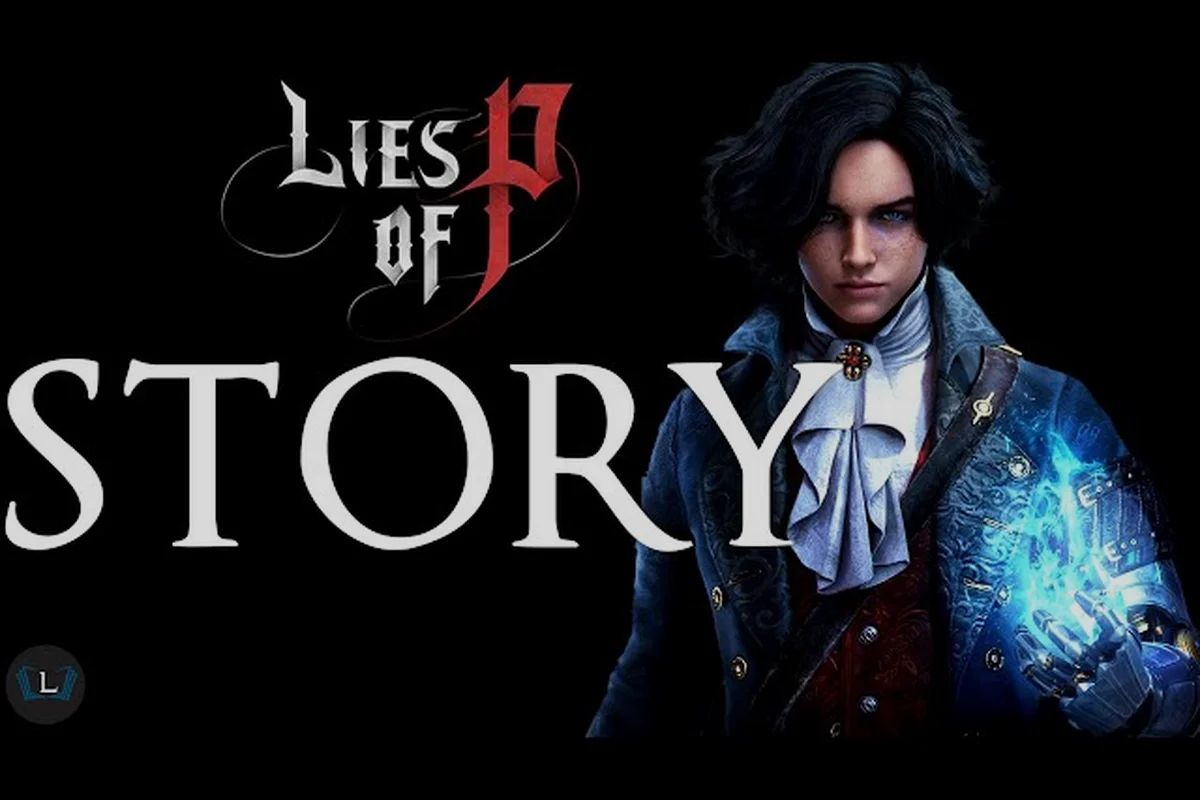
Wonders of O Lies of P Lore Timeline: Krat to Oz
Trace the full Lies of P lore timeline from Krat through Overture DLC, mapping Wizard of Oz mythology, the Wicked Witch, and ruby slipper meaning.
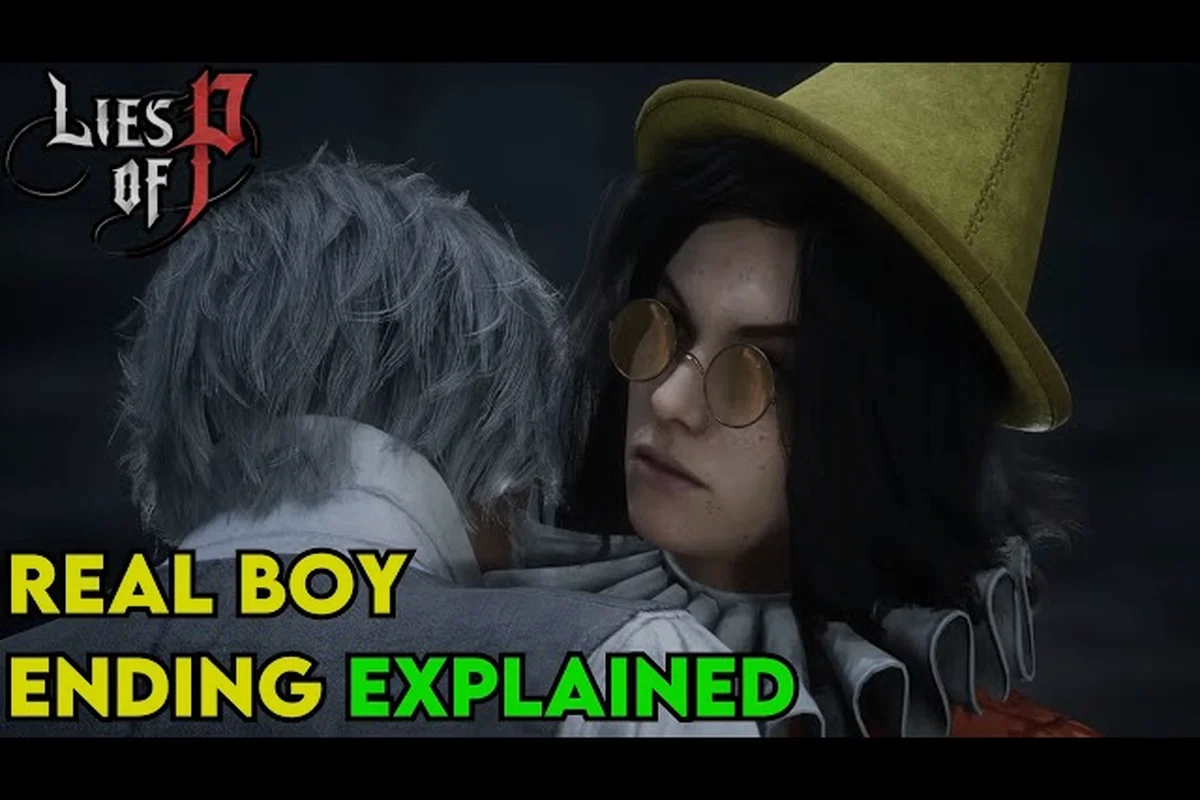
Wonders of O Lies of P Dorothy Ending Explained Scene by Scene
Decode the lies of p dorothy ending explained — the post-credits scene, Giangio's reveal, Paracelsus clues, and Wizard of Oz easter eggs setting up the sequel.
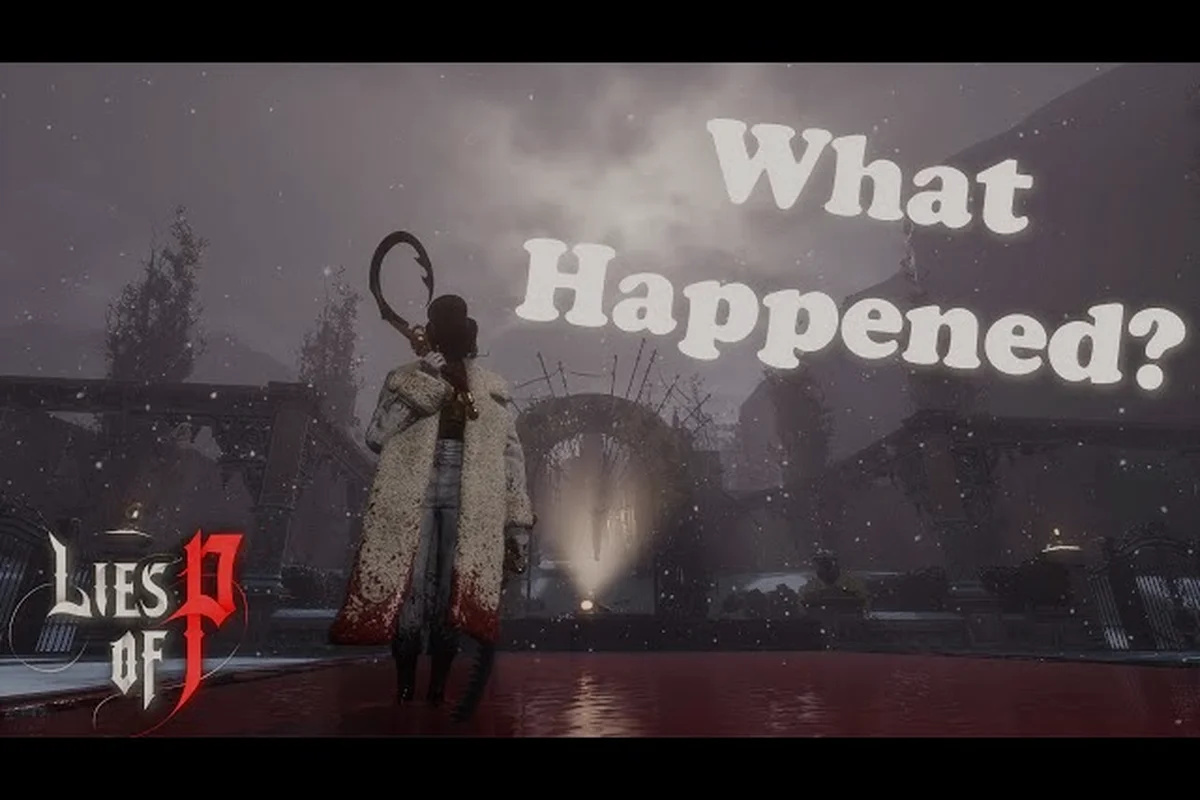
Wonders of O Lies of P Emerald Tablet: Overture DLC Story & Lore
Unpack the Lies of P emerald tablet and what it reveals about the alchemists, the Puppet Frenzy, and how the Overture DLC ending reshapes the story.
All Articles
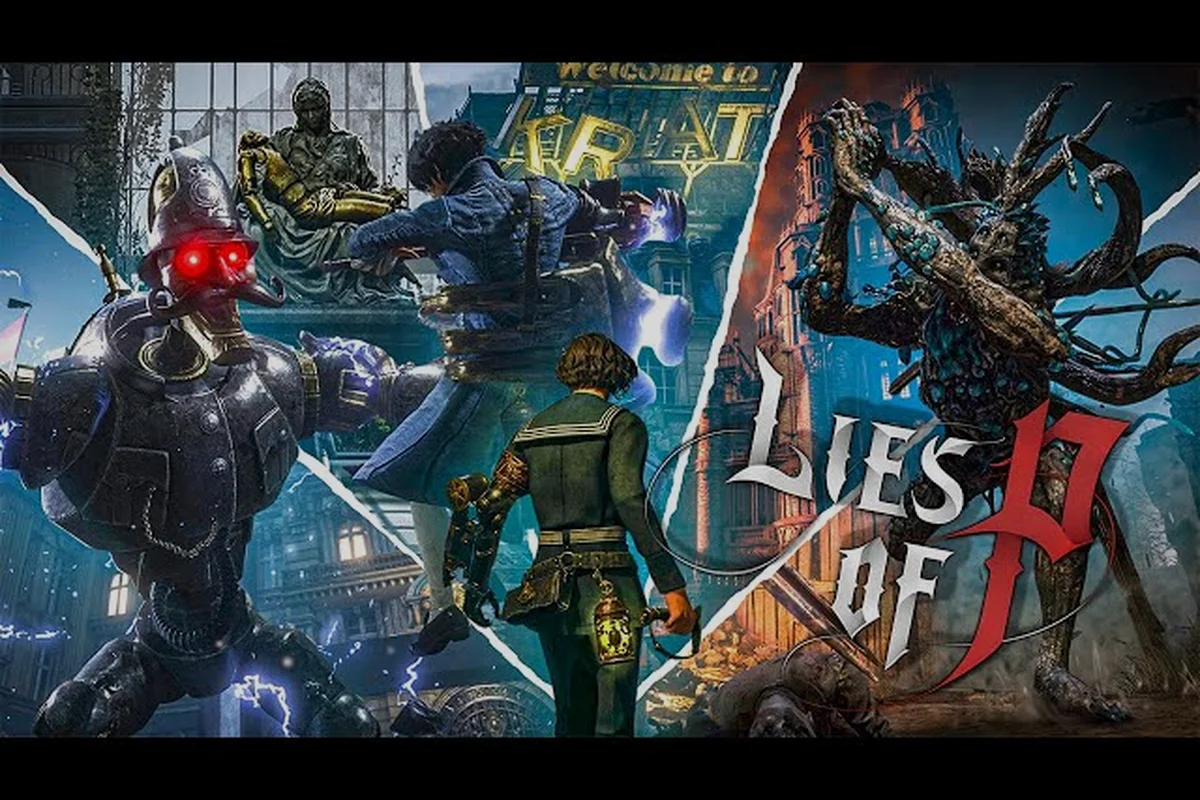
Wonders of O Lies of P 2 Land of Oz Setting: Emerald Path
Explore the Lies of P 2 Land of Oz setting, the directors' gothic Emerald City direction, and how Krat's darkness bends into the sequel's new world.
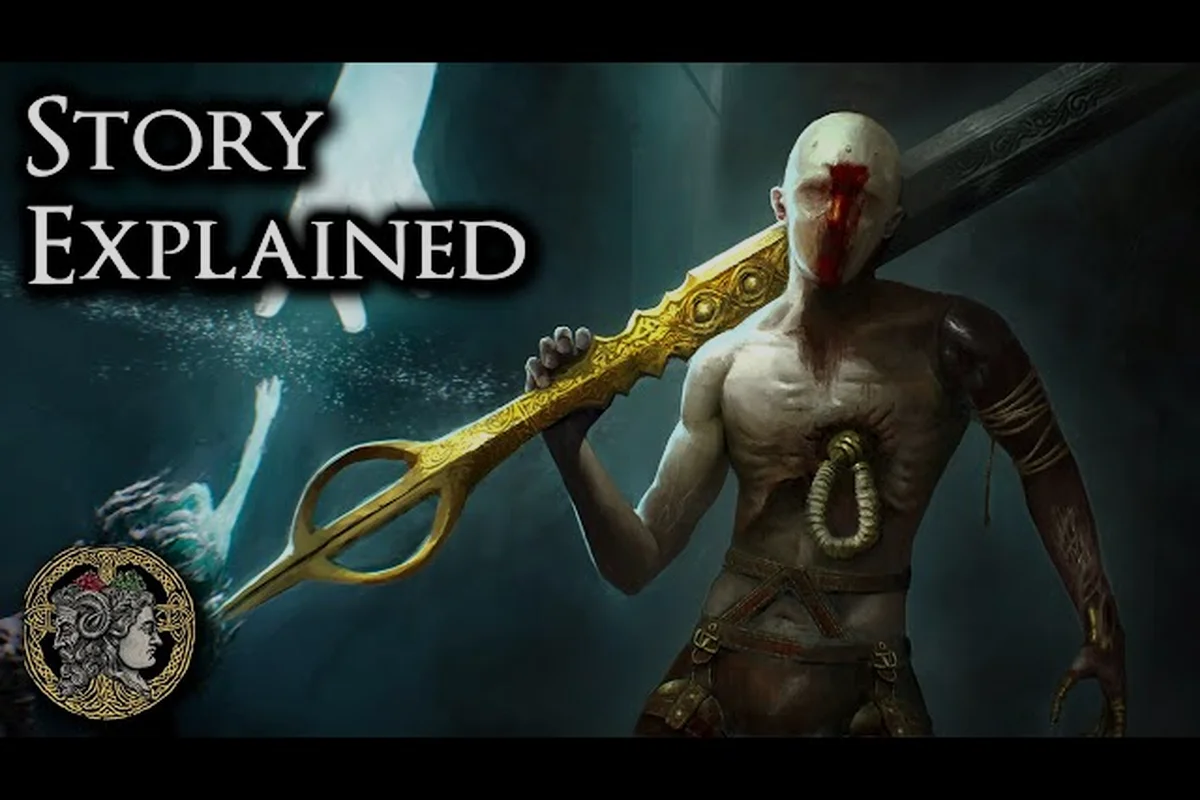
Wonders of O Lies of P 2 Lore: Burning Questions Left Open
Trace Lies of P 2 lore through Krat's lingering shadow, returning survivors, and the Oz connection that ties the sequel to the first game.
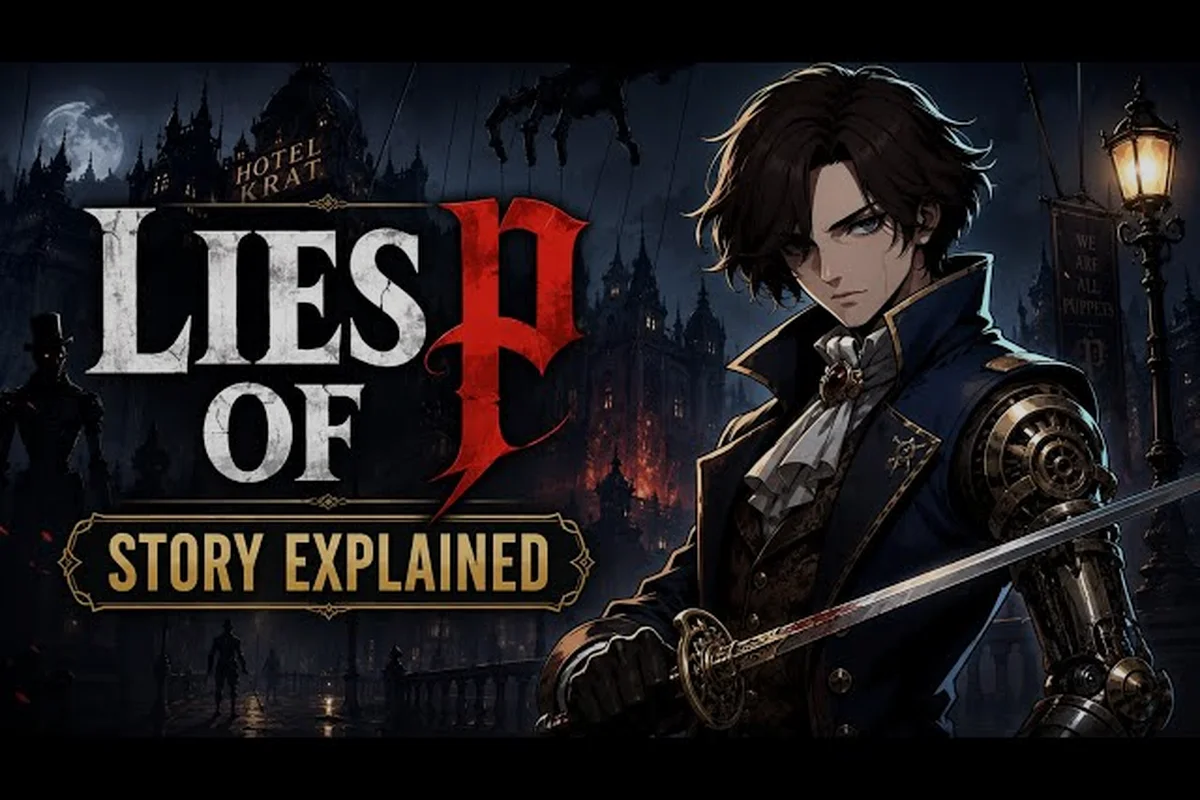
Wonders of O Emerald City: What the Capital Teaches
Step into the Wonders of O Emerald City and unpack setting details, Yellow Brick Road story beats, and predictions for how Oz lore shapes the Lies of P 2 plot.
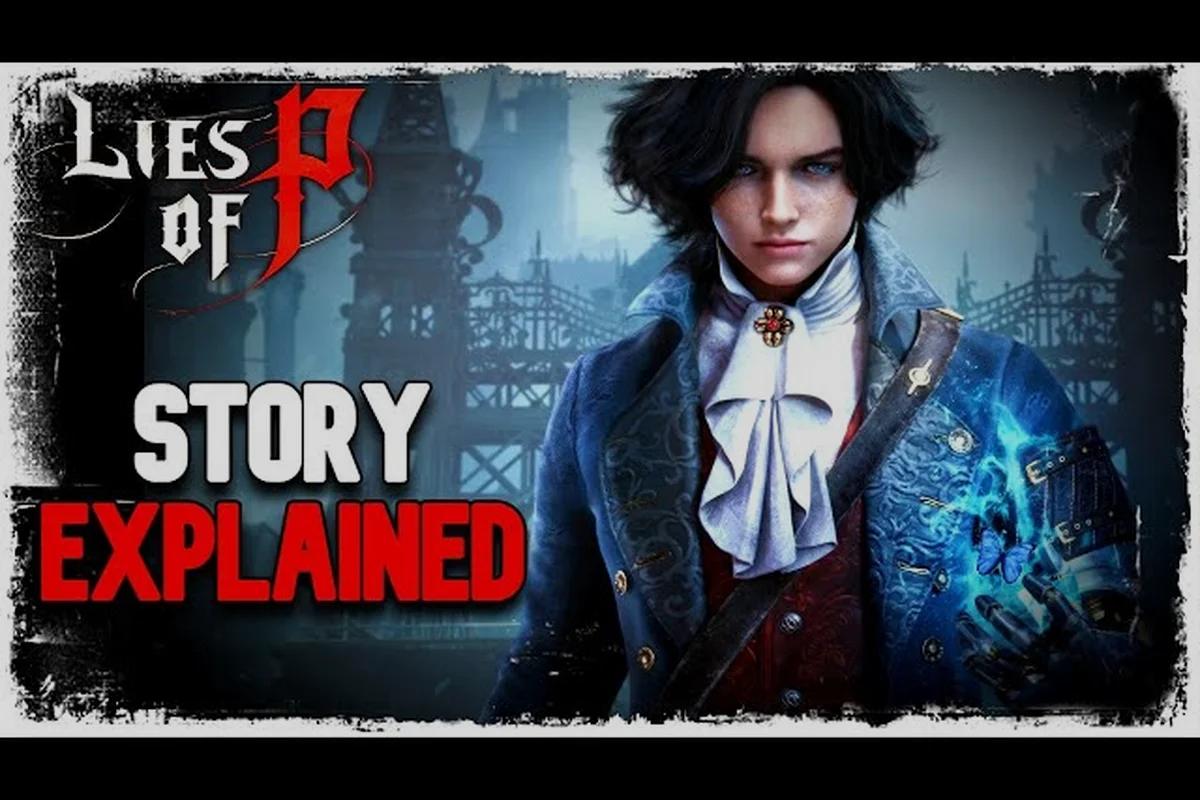
Wonders of O World: Land of Oz Lore & Sequel Timeline
Map the Wonders of O world through Land of Oz lore, the evolving Lies of P 2 timeline, and where the sequel's canon and story connections are headed next.