
Platforms & Specs
Wonders of O platforms and PC specs are unannounced. What the predecessor ran on, and why every requirements table online today is invented.
Introduction
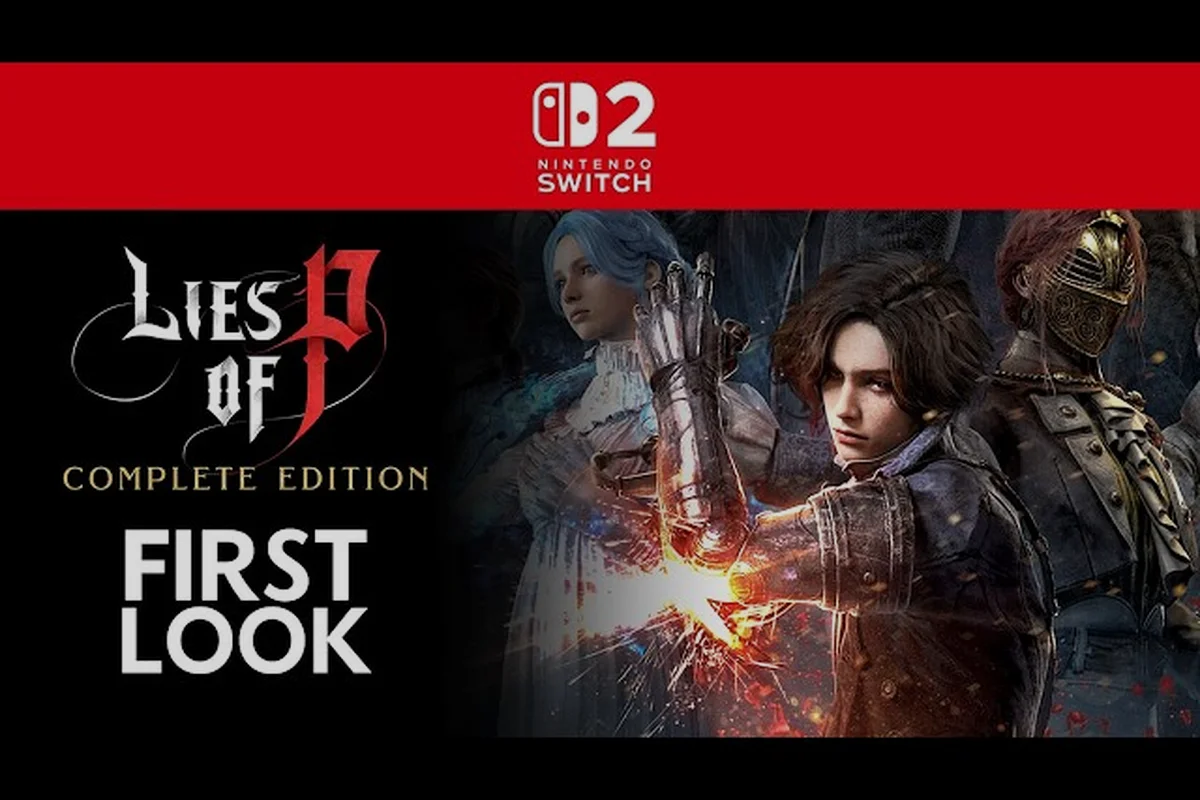
Platforms and specs is the category where a pre-release game is most likely to be misreported, because the topic invites tables and tables invite invention. No platform list and no system requirements have been announced for Wonders of O, and there is no store page from which either could be read. What can be established is the predecessor's platform history, which is documented and unusually broad: Lies of P shipped on PC, Mac, PlayStation 4 and 5, and Xbox One and Series X and S, with a Complete Edition arriving on Nintendo Switch 2 in August 2026. The trademark filing adds one more legitimate data point, since its software categories mention console, computer, wireless device and mobile phone software, but that is standard portfolio language rather than a commitment. This category therefore does two things: it records what the series has actually run on, and it explains why the second question, about your own machine, cannot be answered yet.
Platform Position: Known vs Unknown
| Item | Known today | Basis | Reliability |
|---|---|---|---|
| Sequel platforms | Nothing announced at all | No store page exists | Unknown |
| Predecessor platforms | PC, Mac, PS4, PS5, Xbox One, Series X and S, Switch 2 | Shipped releases | Verified |
| Filing software scope | Console, computer, wireless and mobile software plus discs and cartridges | Nice class 9 wording | Verified |
| Online or service component | Plausible but unconfirmed | Nice class 41 wording | Caution |
| PC system requirements | Impossible to predict before an engine and a store page exist | No basis | Unknown |
Platform Facts
Predecessor Reach
Seven platforms across two console generations
Filing Software Scope
Nice class 9 covers far more than any game ships on
Session And Service Wording
Class 41 mentions online games — that is not an online mode
Steam Presence
No app page exists, and lookalike links are a trap
PC Requirements
Unpredictable until an engine and a store page exist
Core Mechanics
There is a chain of events through which platform and specification information becomes public, and each link tells you how much to trust what you are reading. Store pages come first and give the clearest answer, because opening a page requires a decided platform list and usually a requirements table for PC. Ratings board filings come next and are reliable in a different way: a game cannot be rated in a territory without a submission, so a new rating entry is strong evidence that a release in that region is close. Publisher financial documents occasionally mention platform strategy in general terms without naming a title. Developer commentary is the least precise source, since a director discussing technical ambitions is not announcing supported hardware. Against that chain, the signals currently available are thin: a filing whose language covers several device categories, and a predecessor that ran almost everywhere. Anyone presenting a requirements table today is extrapolating from the older game, usually by adjusting numbers so the result looks plausible, and no engine has been confirmed for the sequel.
Advantages
The value of this category is mostly defensive, and it is worth having precisely because the topic attracts so much fabrication. Customers deciding which console to buy often search for exactly these pages, and the honest answer, that the decision cannot be made yet, is more useful than a table that will be contradicted later. The predecessor record is genuinely informative as a starting point: a series that has shipped on PC, both current Sony consoles, both Xbox generations, Mac and a Nintendo handheld has demonstrated that its publisher is willing to port widely, which is the closest thing to a platform forecast available without an announcement. Keeping the known and unknown columns separate also prevents a common error in this fandom, which is reading a filing's category language as a platform list and concluding that a mobile version has been confirmed. It has not, and the wording means far less than it appears to.
Challenges
The weakness is that the category is short on answers and has to say so repeatedly. Readers arrive wanting to know whether their machine will run the game and leave knowing only that the question is premature, which is accurate but unsatisfying. The predecessor anchors carry their own distortion: platform lists for the first game were unusual, and a sequel produced on a different engine or with different funding could plausibly be narrower rather than wider, so treating the old list as a prediction is a stretch. There is also a subtle trap in the filing language. Because class 9 mentions mobile and wireless devices, it is easy to write a page that implies a phone version is likely, when in practice that wording is copied into filings across the industry and often describes nothing the studio intends to ship. This page flags that trap rather than reproducing it.
Frequently Asked Questions
Which platforms will Wonders of O release on?+
Are the PC system requirements that are circulating real?+
Is a Switch 2 version or a Game Pass launch likely?+
Quick Tips
Ignore any requirements table without a store page behind it. Requirements are published when a game is being positioned for sale, so a table that appears months before a store page is filling a template rather than reporting information. This matters practically, because people genuinely spend money on hardware decisions based on these tables, and the numbers on them are usually copied from an older game and adjusted until they look plausible.
Do not read a trademark class as a platform list. Class 9 covers console, computer, wireless and mobile software for essentially every game filed in the category, and treating that boilerplate as a mobile announcement is the most common error on this topic. The wording exists to protect the mark across the industry rather than to describe a product plan, which is why nearly every filing you can look up contains the same broad language.
Use the predecessor as a floor, not a ceiling. Seven platforms across two console generations shows the publisher ports widely, which makes a narrow exclusive release less likely than the average, without guaranteeing anything. Sequels can also be narrower, particularly if they are built on a new engine or a larger budget, so treat the older list as evidence about habits rather than as a prediction about this specific release.
Match the hardware question to the timeline. If you are buying a console specifically for a game with no announced platforms, no window and no store page, you are guessing twice over, and the reveal will be the moment to decide. Consoles are also frequently discounted or revised between now and then, so waiting costs you very little and removes the risk of committing to a platform the studio never intended to support at launch.
Featured
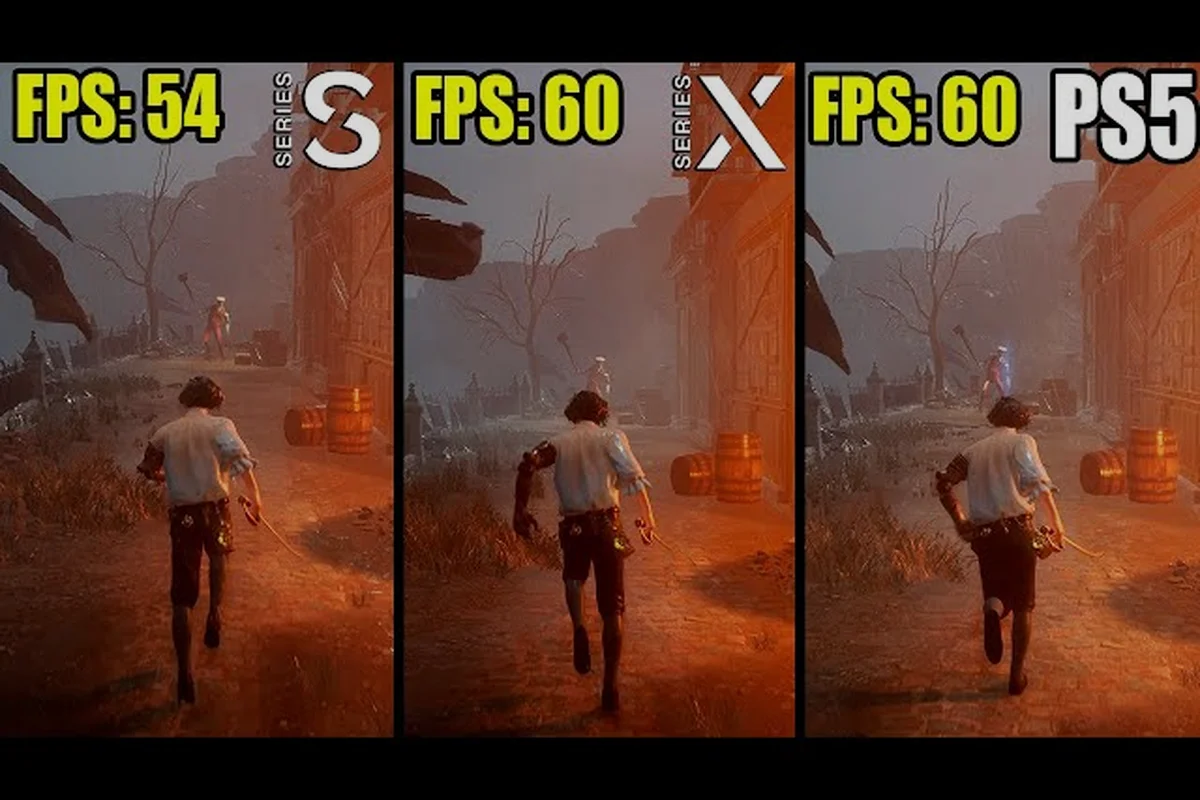
Wonders of O Lies of P 2 File Size: Storage & Install Needs
Wondering about the Lies of P 2 file size and install footprint? Get estimated storage, PS5 Pro support, and 60fps performance mode details for Wonders of O.

Wonders of O Lies of P 2 Switch 2 Port: Handheld Performance
Curious about Lies of P 2 on Switch 2? Get the latest on Complete Edition timing, hybrid hardware performance expectations, and what the port means for Wonders of O.
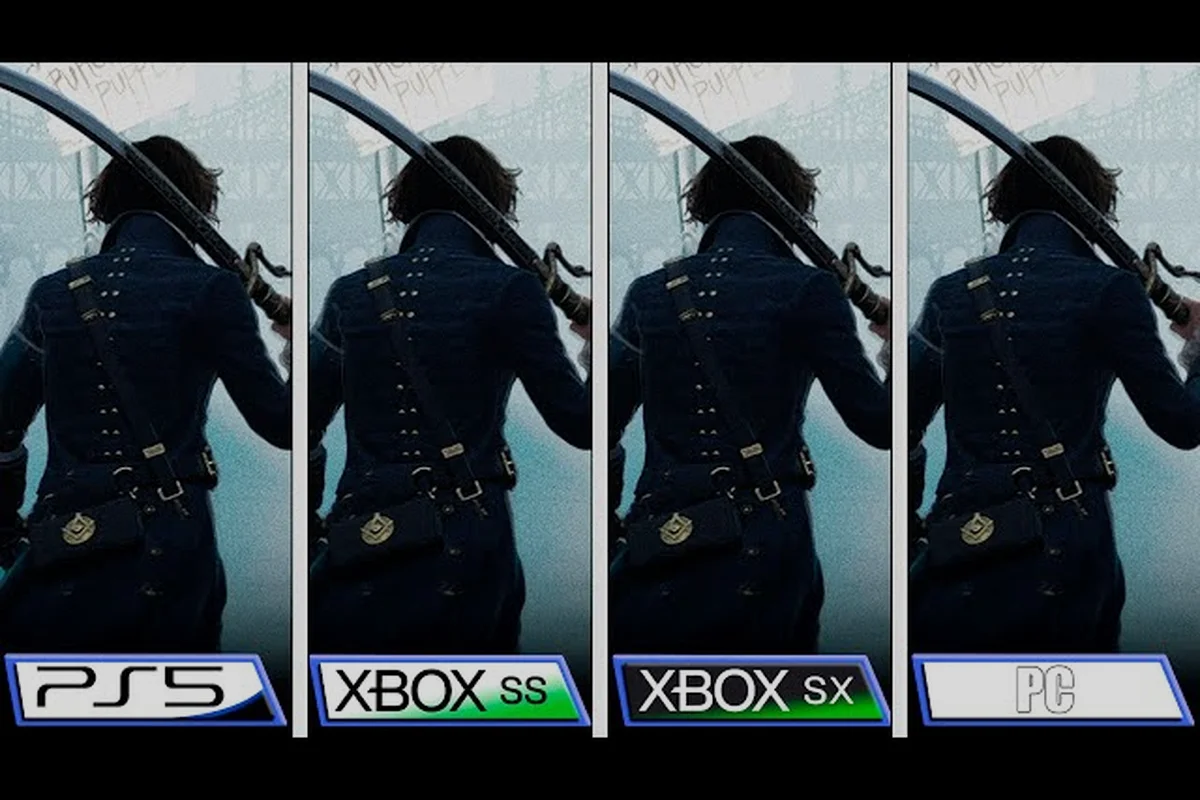
Wonders of O Epic Games Store: Specs, Requirements & PC Support
Find out if Wonders of O lands on the Epic Games Store, what minimum and recommended PC specs to expect, and how it will run on Steam Deck and next-gen hardware.
All Articles

Wonders of O Platforms: Where the Sequel Will Land
Wondering which platforms Wonders of O will land on? Get a clear breakdown of confirmed and expected support across PC, PS5, Xbox Series X, and Switch 2.
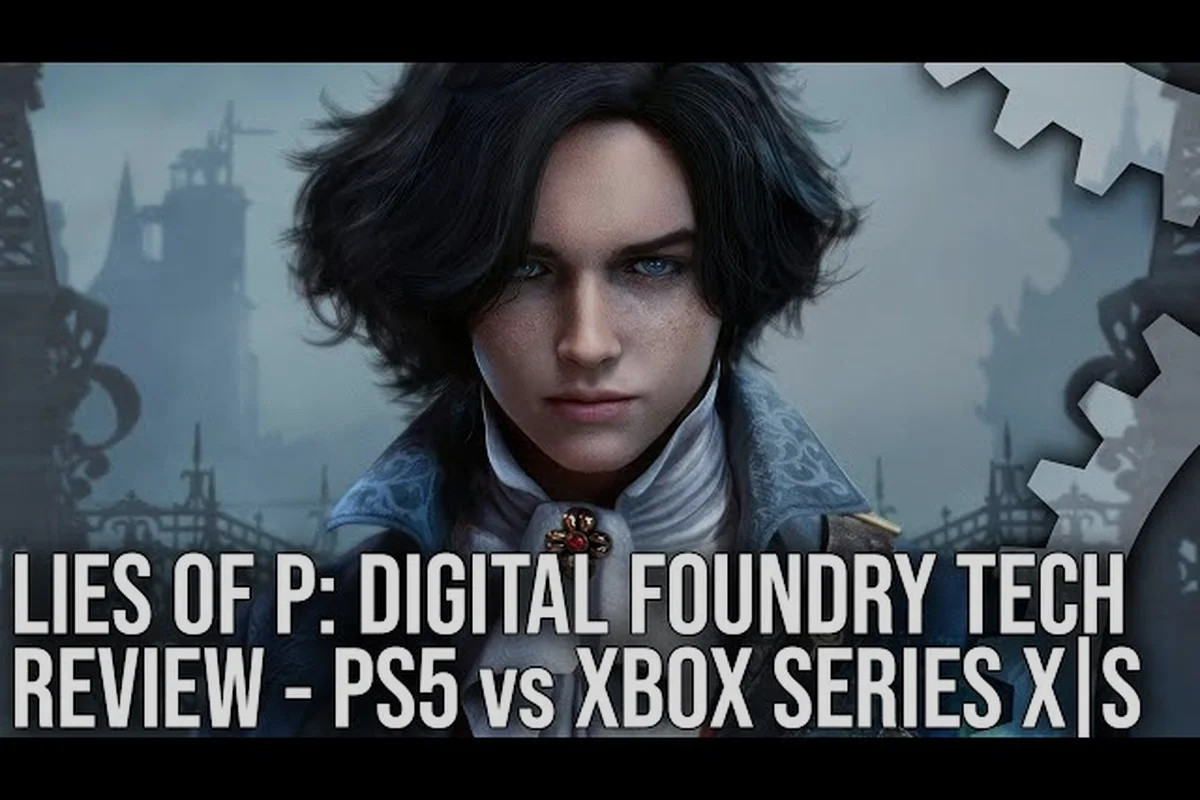
Wonders of O Console Debut: What Hardware to Expect
Planning to play Wonders of O on console? See how PS5, Xbox Series X, and Nintendo Switch 2 compare for the Lies of P sequel's launch and performance.
Wonders of O Lies of P 2 Cross Save & Multiplayer Plans
Hoping Lies of P 2 supports cross save and co-op? Explore what NEOWIZ and Round8 have hinted at for online features and Unreal Engine 5 in Wonders of O.
Wonders of O Lies of P 2 on Mac, Steam Deck & Cloud
Curious if Lies of P 2 runs on Mac or Steam Deck? Explore cloud gaming options, accessibility features, and what Wonders of O's port plans could look like.