
Gameplay & Mechanics
Which Lies of P systems are likely to survive into Wonders of O, graded by how strongly the studio's own material supports each one.
Introduction
Gameplay and mechanics asks a question that cannot be answered directly and can still be answered usefully: which parts of the predecessor's design are likely to survive into the sequel, and how much evidence stands behind each guess. No gameplay footage exists, so every entry here is an assessment of inheritance odds rather than a description of a system, and each one states what it rests on. The starting point is that Lies of P built its identity on a small number of interlocking systems: weapon assembly, which let players combine blades and handles; Fable Arts, the weapon-bound special attacks; the P-Organ, a progression tree layered over ordinary levelling; and the humanity and lie mechanics that decided which ending a player received. Around those sit fundamentals such as parrying, dodging and stagger, plus the difficulty options added late in the cycle. None of that has been confirmed for the sequel, and the honest way to present it is as tiers of likelihood with reasons attached rather than as a feature list.
Inheritance Likelihood, Tiered
| Tier | System | Reasoning | Confidence |
|---|---|---|---|
| S | Weapon assembly, Fable Arts, P-Organ progression | The core identity of the earlier game and the least likely trio to be dropped | High |
| A | Retuned parry and dodge, humanity and lie systems | Fundamentals plus the mechanic that drives endings and narrative branching | Medium-high |
| B | Legion Arms, grindstones, expanded difficulty options | Shipped in the expansion, including options that drew criticism but were kept | Medium |
| C | Open world, co-op, class systems | Community speculation with no support in any filing, interview or listing | Low |
Systems To Watch
Weapon Assembly
Blades and handles combined into custom weapons
Fable Arts And P-Organ
Weapon specials plus a layered progression tree
Parry, Dodge And Stagger
The combat grammar the whole game is built on
Humanity And Lies
The mechanic that decided which ending you earned
Open World And Co-op
Popular wishes with no supporting evidence
Core Mechanics
The reason inheritance assessment works at all is that sequels from this kind of studio almost always keep the systems their audience came for, and change the ones that were criticised. Weapon assembly is the clearest example: it was the most distinctive thing about Lies of P, it generated most of the theorycrafting around the game, and replacing it would be a deliberate rejection of the predecessor's identity. Fable Arts and the P-Organ sit in the same bracket for the same reason, since between them they supplied the build variety that made replays worthwhile. At the next level down, parrying, dodging and stagger are not really features so much as the grammar of a soulslike, and they will be retuned rather than removed. The humanity and lie systems are the interesting middle case: they drove the endings and they support the studio's stated interest in narrative, which points towards retention, but they also depend on a specific protagonist concept that the Oz setting may not carry over unchanged. Difficulty options sit lower because the studio added easier modes late in the cycle and took criticism for it, and companies rarely repeat a step that cost them goodwill without changing it.
Advantages
Thinking in inheritance tiers lets you follow the sequel's mechanics without pretending to know them, and it makes new announcements easier to place. When a trailer finally shows combat, the useful question is not whether it looks good but which bracket it confirms or refutes, and a reader who already has those brackets gets far more out of the footage than someone starting from nothing. The approach also separates ambition from evidence in a fandom where the two are routinely mixed: wanting the sequel to be open world does not make the open-world claim more credible. There is a practical benefit for anyone planning to replay the predecessor as preparation, because the systems marked as most likely to survive are exactly the ones worth learning properly, and the ones marked low-confidence are not worth investing in on the assumption they will return.
Challenges
The limitation is that inheritance reasoning is a probability argument, not knowledge, and it can be wrong in both directions. A studio can keep every system and still feel entirely different because the level design changed, and it can also rebuild combat from scratch while describing the result as faithful to the original. There is also a commercial motive that cuts against continuity: a publisher trying to grow an audience may deliberately simplify the most intricate systems, and weapon assembly is intricate. Finally, anything written before the first trailer is written without seeing the game, so the brackets here will need revisiting the moment footage exists. Readers should treat this category as a structured set of expectations for evaluating future announcements rather than as a prediction to bet on, and the site will revise it rather than quietly leaving stale guesses in place.
Frequently Asked Questions
Will Wonders of O play like Lies of P?+
Is the open-world rumour supported by anything?+
What should I learn in the predecessor to prepare?+
Quick Tips
Learn weapon assembly properly if you plan to play the sequel. Of everything in the predecessor, it is the system most likely to return and the one that takes longest to understand, so time spent on it is the best preparation available. Understanding how blades and handles combine also teaches you to read scaling and movesets, which transfers to almost any action role-playing game, and it makes the sequel's build options legible from the first hour rather than the twentieth.
Separate the systems you want from the systems you have evidence for. The open-world and co-op arguments are driven by preference rather than by documents, and mixing the two is how a wish becomes a rumour and then a fact. Keeping the lists apart does not stop anyone hoping; it simply means that when the first trailer arrives, you can tell immediately which of your expectations the studio addressed and which it ignored, instead of arguing about what the footage meant.
Watch menus rather than fights when footage finally appears. Interface screens reveal progression trees, stat systems and difficulty options far more precisely than a combat montage, which is usually staged for spectacle. A single pause-menu frame can confirm an entire tier of this category within seconds, and menus are also much harder to fake than combat, since they expose naming conventions and numbers that the studio has to live with afterwards.
Expect the fundamentals to return and the details to change. Parrying and stagger are genre grammar and will almost certainly be present, while exact timings, guard behaviour and enemy responses are the most likely things to be retuned. That distinction is worth holding on to, because it prevents the two most common misreadings of a sequel reveal: assuming a familiar-looking game is unchanged, and assuming an unfamiliar-looking one has abandoned everything the audience liked.
Featured
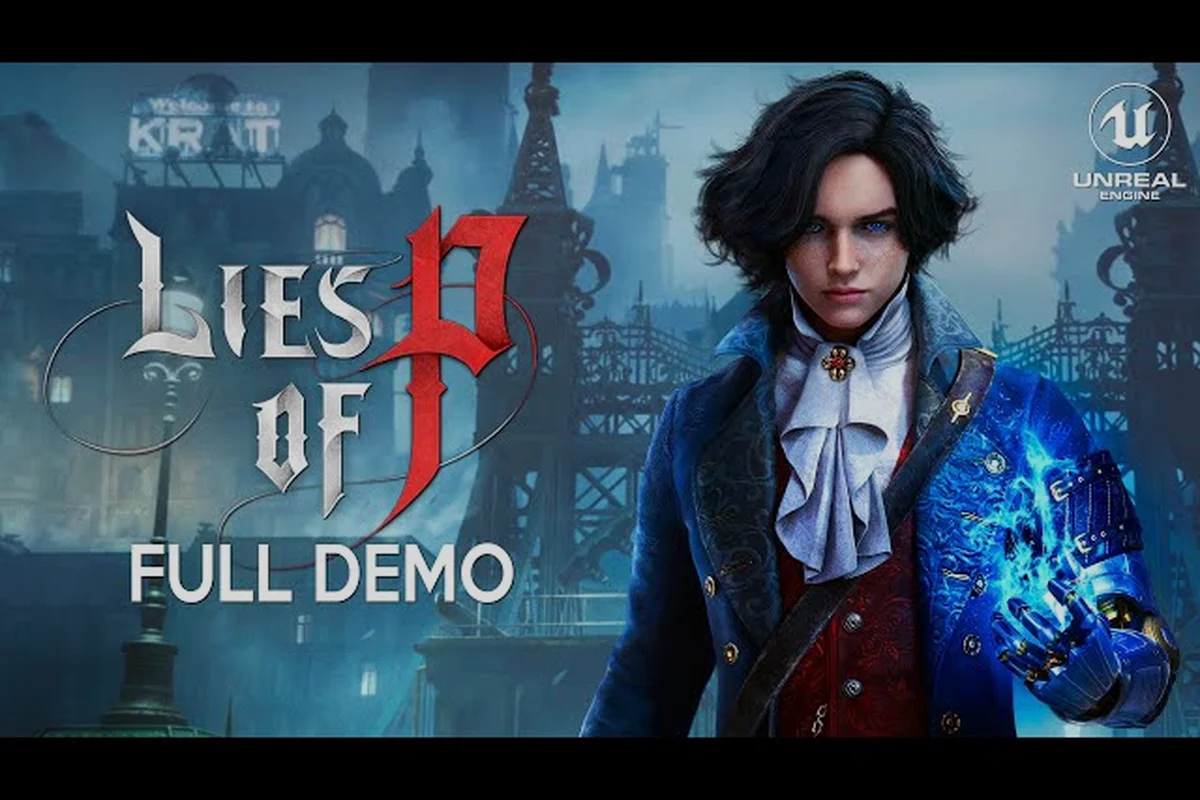
Wonders of O Lies of P 2 Gameplay: Combat & Weapon Assembly
Explore Lies of P 2 gameplay core systems: how combat evolves, the weapon assembly mechanics returning from Krat, and new features shaping the Soulslike sequel.
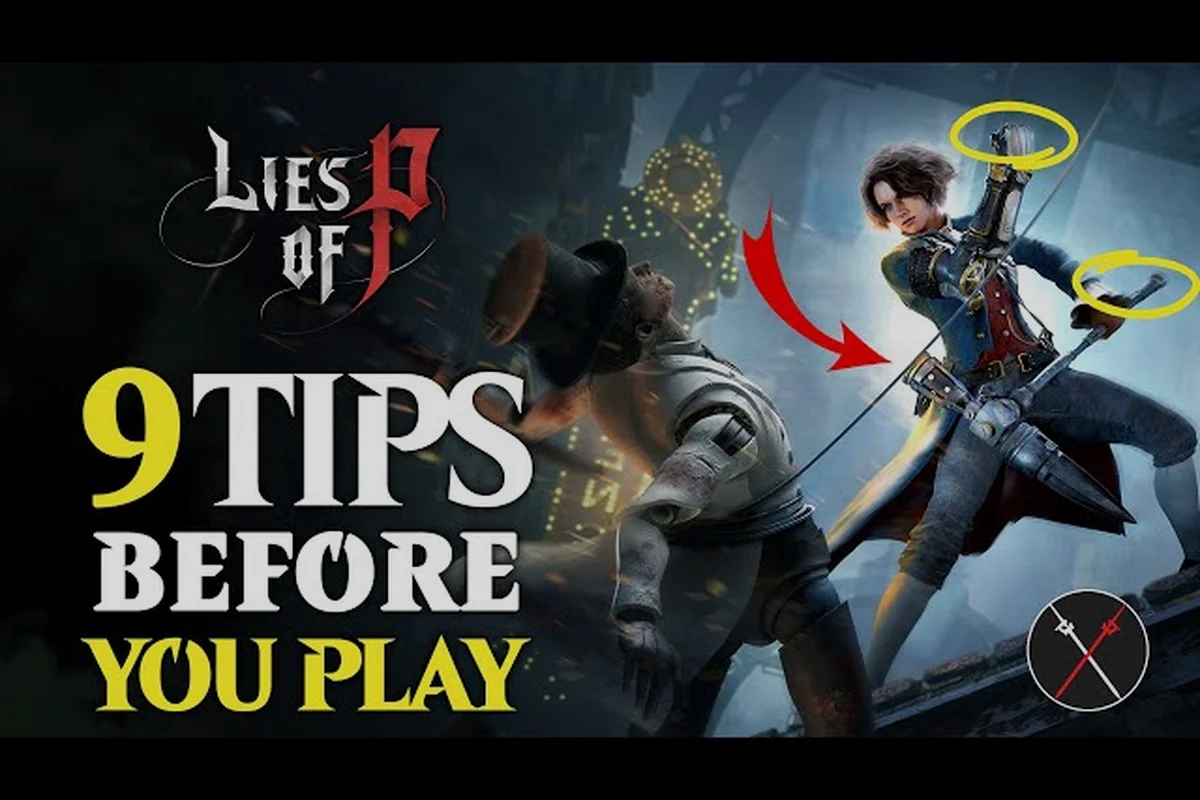
Wonders of O Lies of P 2 Legion Arms: Tools, Tips & Picks
Compare Lies of P 2 Legion Arms, grindstones, and Fable Arts to learn which tools redefine combat, parry timing, and dodge windows in the sequel.
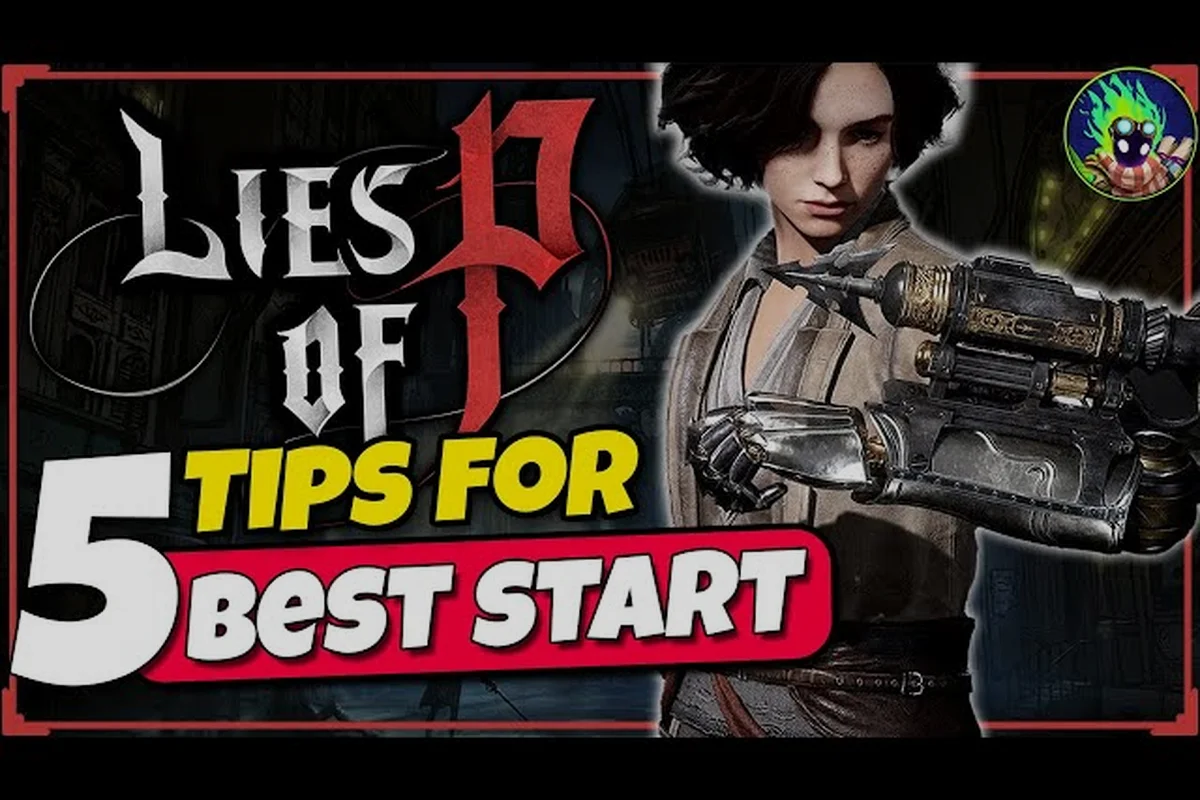
Wonders of O Lies of P 2 Leveling: Stats, Humanity & Lies
Master Lies of P 2 leveling with a breakdown of stats, the Humanity system, the Lie mechanic, and how open-world design reshapes character growth.
All Articles
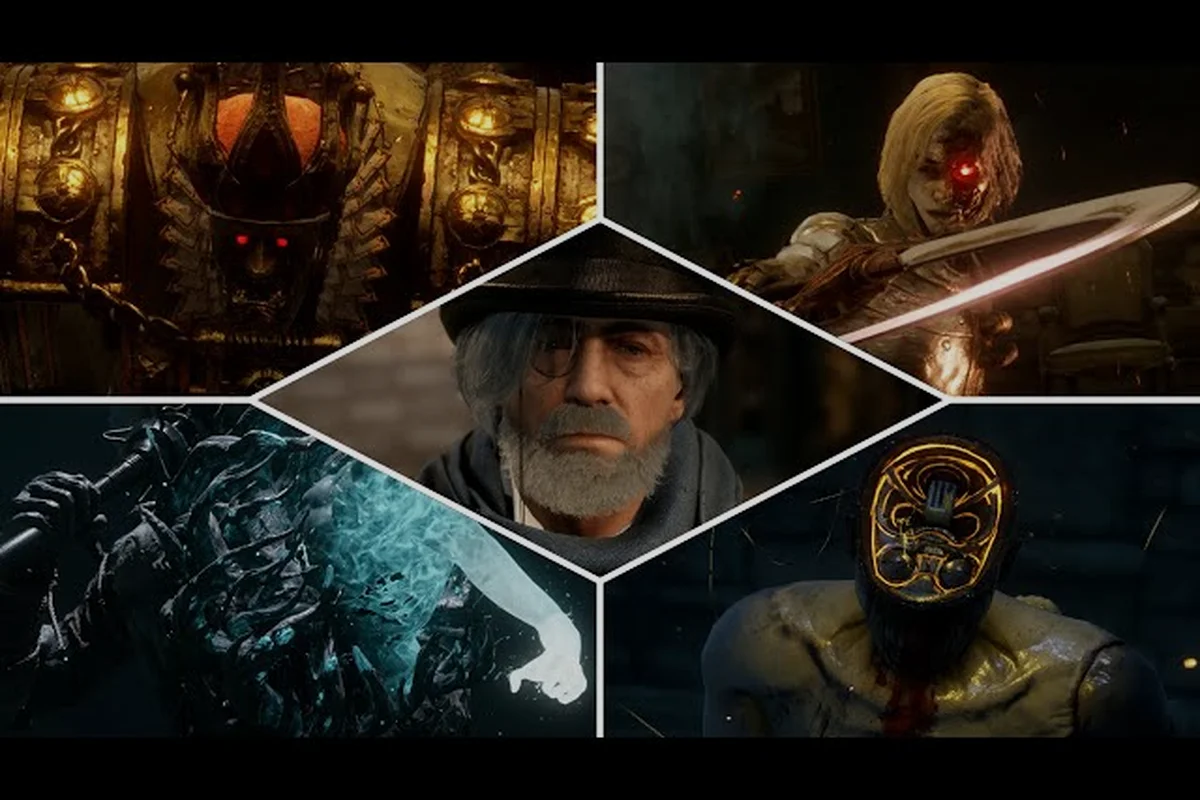
Wonders of O Lies of P 2 Bosses: Difficulty, Weapons & Tips
Prepare for every Lies of P 2 boss with a look at enemy design, weapon type matchups, and combat tips drawn from confirmed combat speculation.
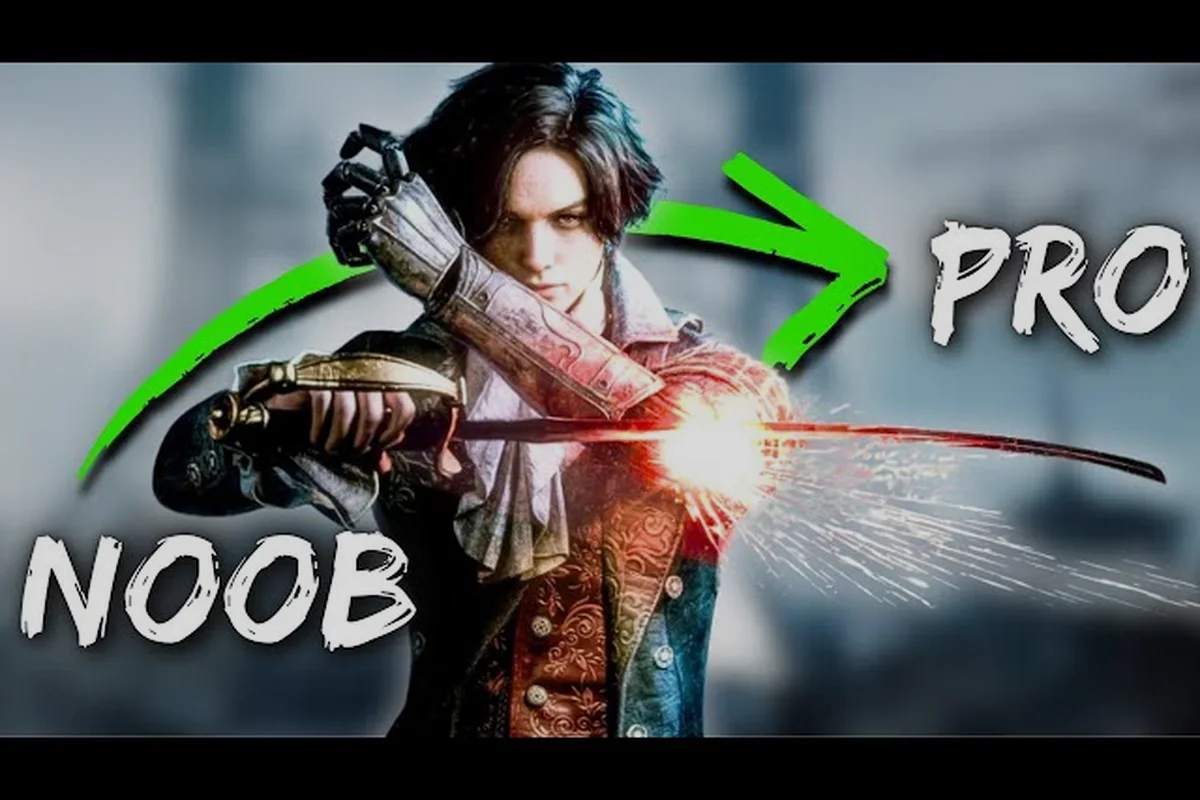
Wonders of O Lies of P 2 Combat Changes: Difficulty & Builds
Break down Lies of P 2 combat changes, new difficulty options, easy mode tweaks, crafting shifts, and how gear and build variety expand for the sequel.
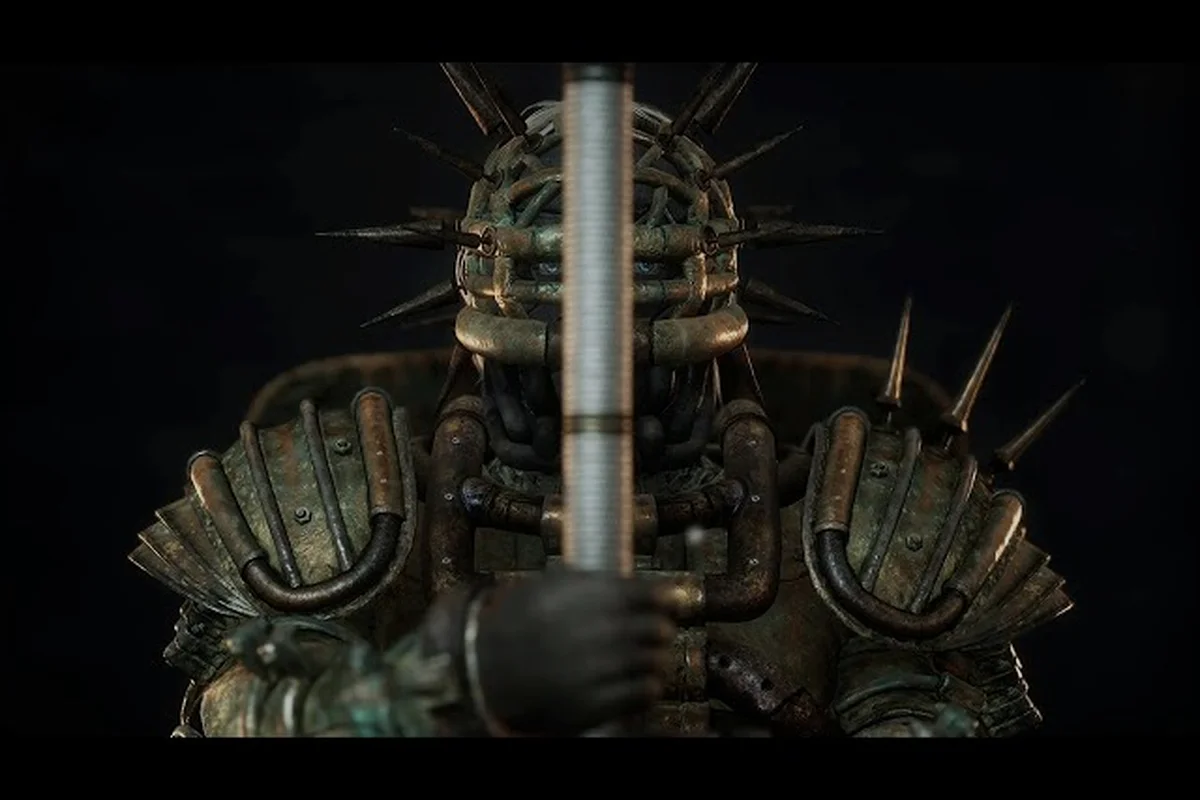
Wonders of O Boss Fights: Mechanics, Difficulty & P-Organ
Learn how Wonders of O boss fights use the P-Organ system to tune combat pacing, with a clear breakdown of mechanics and the difficulty curve.
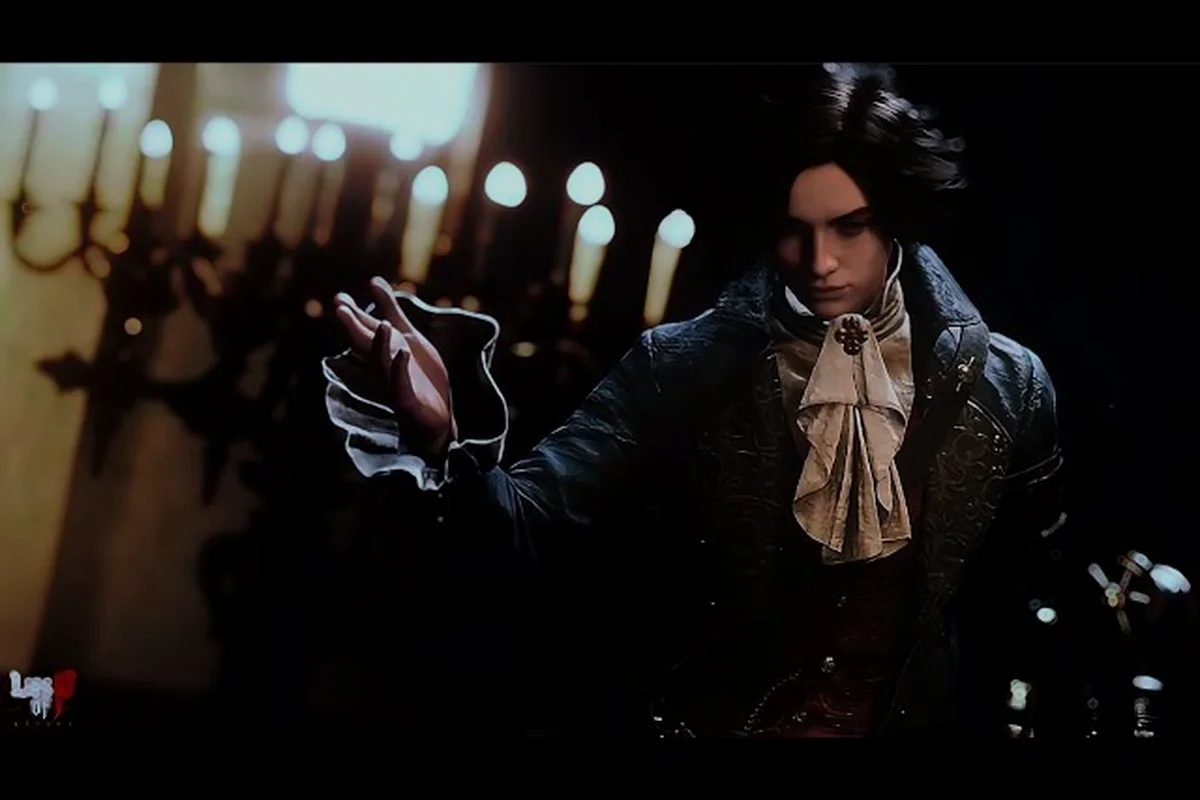
Wonders of O Combat System: Parry, Legion Arms & Fable Arts
Ready to dissect Wonders of O's combat? Learn how parry windows, Legion Arms, Fable Arts, and the Humanity system shape every Lies of P 2 encounter.