
Community & Theories
The recurring Wonders of O debates, both sides included: whether the teaser meant Oz, who Dorothy is, and how far the studio's AI row still shapes trust.
Introduction
Community and theories covers interpretation rather than evidence, and it says so on every page. The distinction matters because this is the category where the fandom's arguments live, and arguments are not documents. Some of these debates have been running for years: whether the closing teaser really pointed at an Oz sequel, who Dorothy might be in a series that renames its adapted characters, whether the next game keeps the city it already built or moves somewhere new, and whether the alchemist should be read as the wizard behind the curtain or as something else entirely. A newer argument concerns trust, following the studio's AI hiring controversy, and it shapes how the community reads every subsequent announcement. Each entry here presents the positions that actually exist, the reasoning behind them, and what would settle the question. Nothing in this category establishes what the game will do, and community consensus is treated as sentiment rather than as evidence throughout.
Debate Board
| Debate | One camp argues | Other camp argues | Settled by |
|---|---|---|---|
| Was the teaser really about Oz | Ruby slippers and the name Dorothy are unambiguous | It was a stylistic nod, not a statement of direction | Official announcement |
| Who is Dorothy | A straight adaptation of Baum's protagonist | A reworked version of an existing series character | Casting or a story trailer |
| Krat or a new land | The rooftop shot puts the next story inside the old city | An Oz game should travel somewhere new | Setting reveal |
| Paracelsus as the wizard | The disguise motif maps onto the man behind the curtain | The parallel is thematic, not a plot plan | Narrative detail |
| AI and trust | The listing showed where production priorities were heading | The studio said the role is outside production | Shipped credits and assets |
Open Debates
Was It Ever About Oz
The oldest argument, and the closest to settled
Who Is Dorothy
Straight adaptation or a familiar face renamed
Krat Or Somewhere New
Keep the city or leave it behind
Paracelsus As The Wizard
The disguise motif read as the man behind the curtain
AI And Trust
The argument that colours every announcement
Core Mechanics
Fan theories behave in predictable ways, and recognising the pattern is more useful than remembering individual arguments. A theory usually starts from a real observation, often a detail in a released game, and then extends to a conclusion the observation cannot support. The extension is where the interesting disagreements live, and the healthiest response is to accept the observation and question the extension separately. A second pattern is that the loudest theory in a fandom often reflects what players want rather than what the evidence suggests, which is why open-world and cooperative-play claims persist without any source at all. A third is that theories compete for the same evidence: the same rooftop shot is used to argue that Dorothy is the player, the antagonist and a deception, and each reading has to explain away the parts that do not fit it. Reading community argument this way turns it from noise into a fairly reliable map of what the audience expects and of which expectations are likely to be disappointed.
Advantages
Following the community is genuinely valuable even when the community is wrong, because it shows you what the audience expects, and expectations shape how a reveal is received. A first trailer that ignores the open-world argument will land differently from one that acknowledges it, and knowing that in advance makes the announcement easier to read. This category also captures sentiment that no press release records: how much goodwill the studio has, which topics remain sensitive, and which arguments recur no matter how often they are answered. That is useful for anyone writing or talking about the game publicly. There is a practical benefit for readers as well, since seeing both sides of an argument laid out side by side is often the fastest way to realise that a claim you believed was really just a preference you share with a large number of other people.
Challenges
The category's central weakness is that it deals in material with no evidential weight, and presenting it neatly can make it look more substantial than it is. Community consensus has been confidently wrong about many sequels, and repeating a prediction, even with attribution, adds to the noise it came from. There is also a well-documented drift in which an argument discussed on a fan page reappears in an article as an expectation and then in a video as a rumour, and each step strips away the caveats. Emotional debates present a further risk: the AI controversy became the community's most negative topic, and coverage that repeats the accusation without the studio's response is both unfair and less useful than a page that carries both. This category therefore labels every entry as interpretation and keeps official statements next to the arguments they answered.
Frequently Asked Questions
What is the strongest community theory about the sequel?+
Is the community usually right about this series?+
How does the AI controversy still affect the community?+
Quick Tips
Separate the observation from the extension. Fan theories here almost always start from something real, such as a rooftop shot, and then add a conclusion it cannot carry, such as a playable character or a genre change. Both halves deserve a hearing, and only one of them is evidence. Naming which half you are discussing keeps an argument productive, because people who disagree about the conclusion often agree completely about the observation.
Attribute every theory to a camp rather than to the community. Saying that one group reads Dorothy as a renamed existing character is accurate; saying the community believes it is not, because the community does not agree. Attribution also makes a claim easier to test over time, since you can check which camp the eventual announcement vindicated, which is a much more interesting exercise than deciding in retrospect that everyone was always saying the same thing.
Notice when a theory is really a preference. Open-world and cooperative-play claims persist because players want them, not because anyone has seen evidence, and spotting that pattern makes the rest of the discussion clearer. Preferences are worth stating as preferences, and the community would lose very little by labelling them that way, since a studio responding to what its audience wants is a perfectly ordinary and legitimate way for a sequel to be designed.
Carry both sides of the AI argument. It is the most emotionally charged topic in this fandom, and a page that repeats the accusation without the studio response is both unfair and less informative than one that includes both. The sequence is documented on both sides: a job listing drew criticism, and the studio replied that the role sits outside production and that final assets are made by artists, which is the level of detail a fair summary needs.
Featured
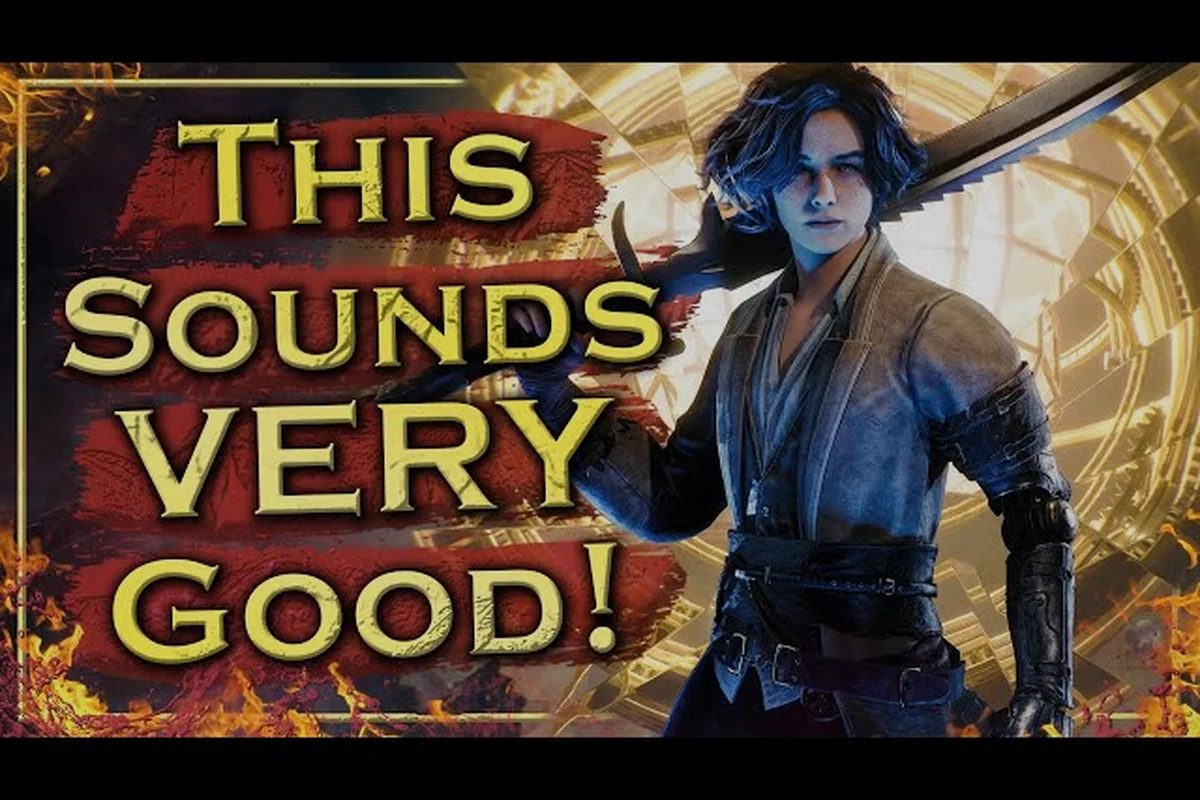
Wonders of O Lies of P 2 Fan Demands: Top Wishes Ranked
See the most-requested Lies of P 2 fan demands from Reddit polls, including returning boss fights, ending payoff, and release-window hopes shaping Wonders of O hype.
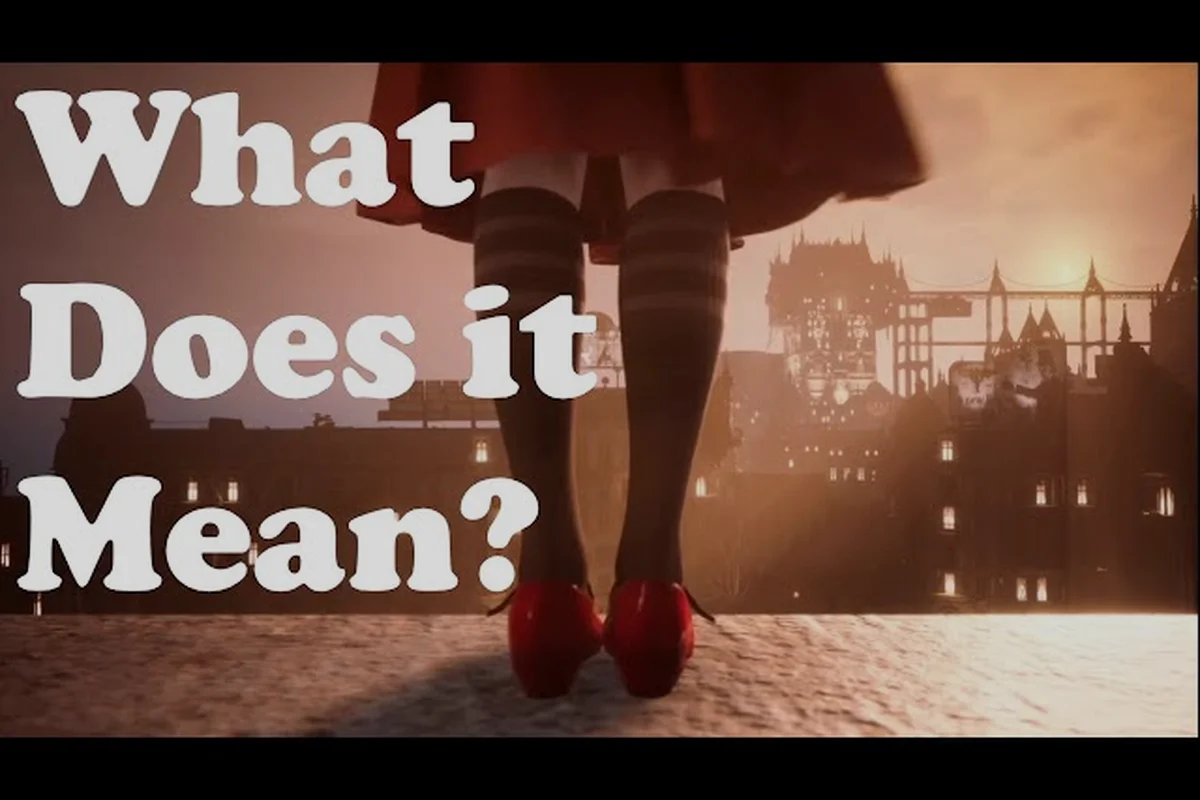
Wonders of O Lies of P Subreddit: Memes, Hype & Dorothy Theories
Tour the r/LiesOfP subreddit for lies of p subreddit hype, memes, reaction threads, and the Dorothy theories driving the sequel's biggest discussions.
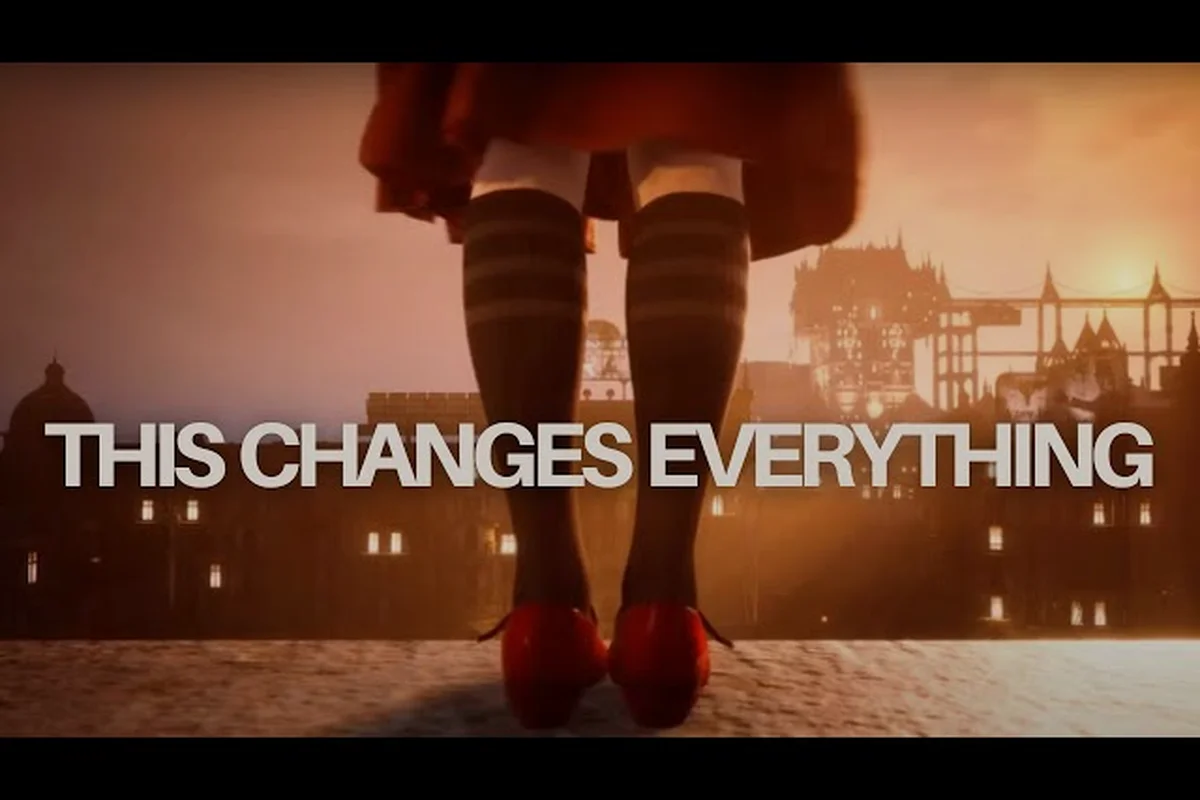
Wonders of O Fan Theories: Reddit, Discord & Sequel Twists
Dive into the most-discussed Wonders of O fan theories on Reddit and Discord, from Emerald City twists to how Dorothy reshapes the Lies of P sequel.
All Articles
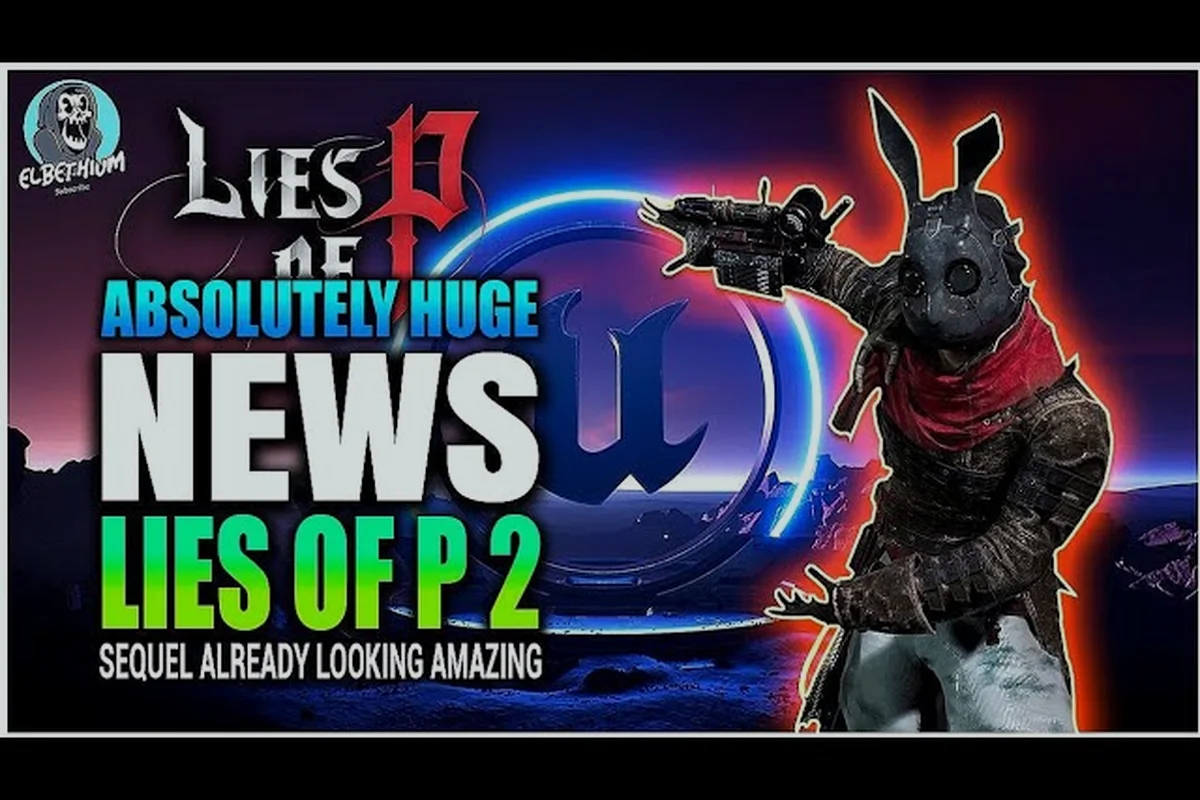
Wonders of O Lies of P 2 Speculation: What Fans Want Most
Round up the loudest Lies of P 2 speculation from the community, including wishlist picks, polls, and predictions shaping Wonders of O expectations.
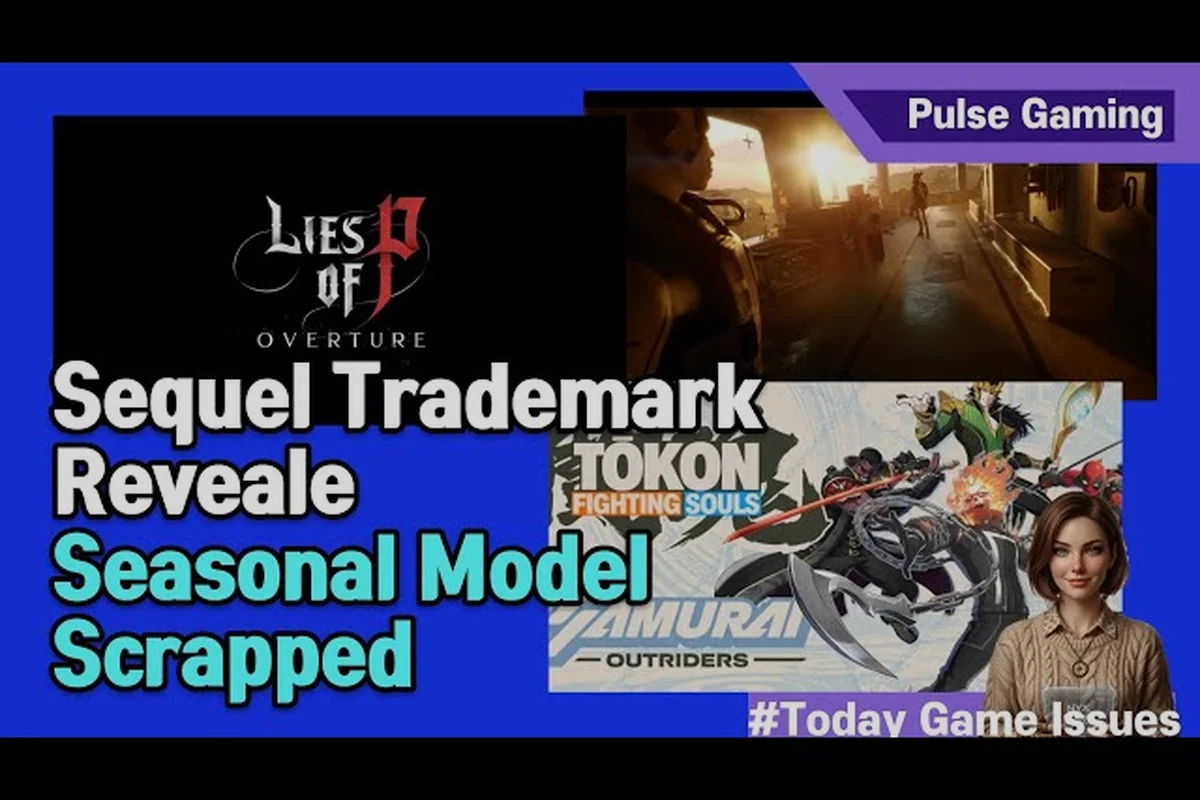
Wonders of O Discussion: Hottest Lies of P 2 Community Threads
Jump into the Wonders of O discussion happening on Reddit, Discord, and forums, covering reactions, hype, and the latest Oz-themed sequel debate.
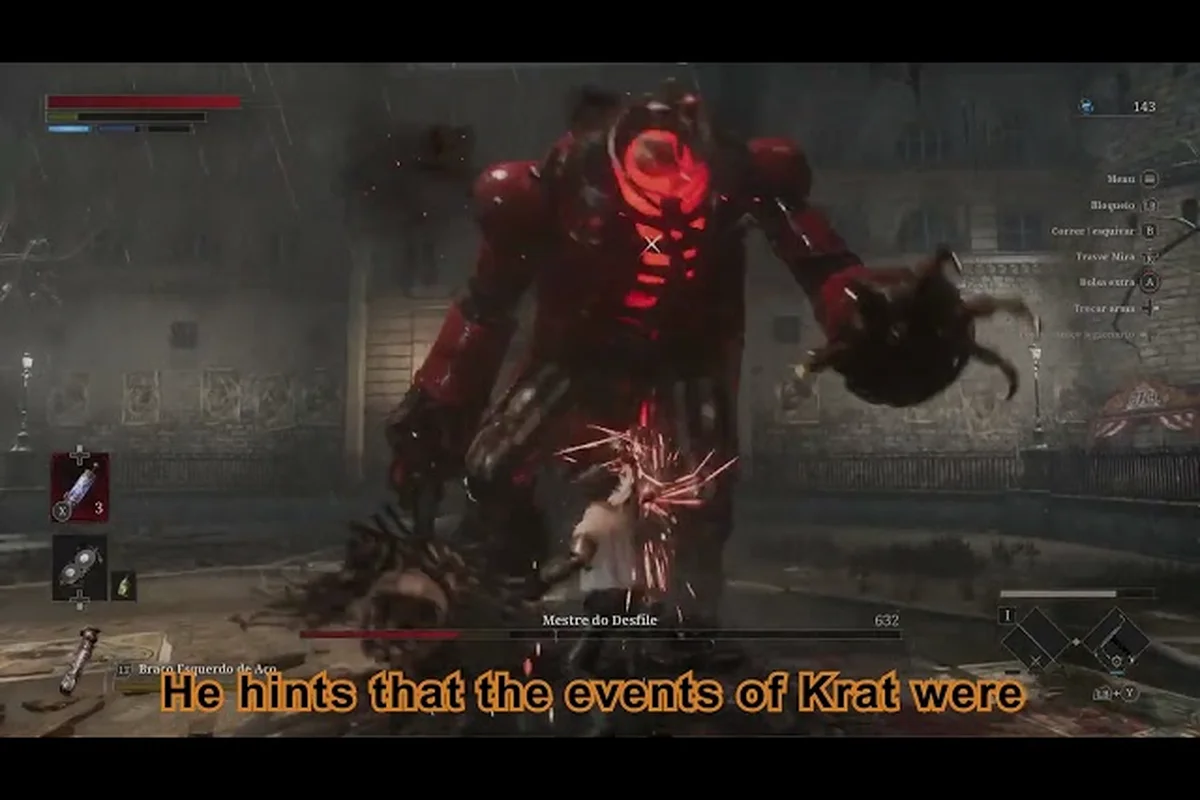
Wonders of O Lies of P 2 Oz Theory: Sequel, Prequel or Alice?
Weigh the leading Lies of P 2 Oz theory debates, from Emerald City direction and Alice crossover hints to open-world and Gen AI controversy talking points.
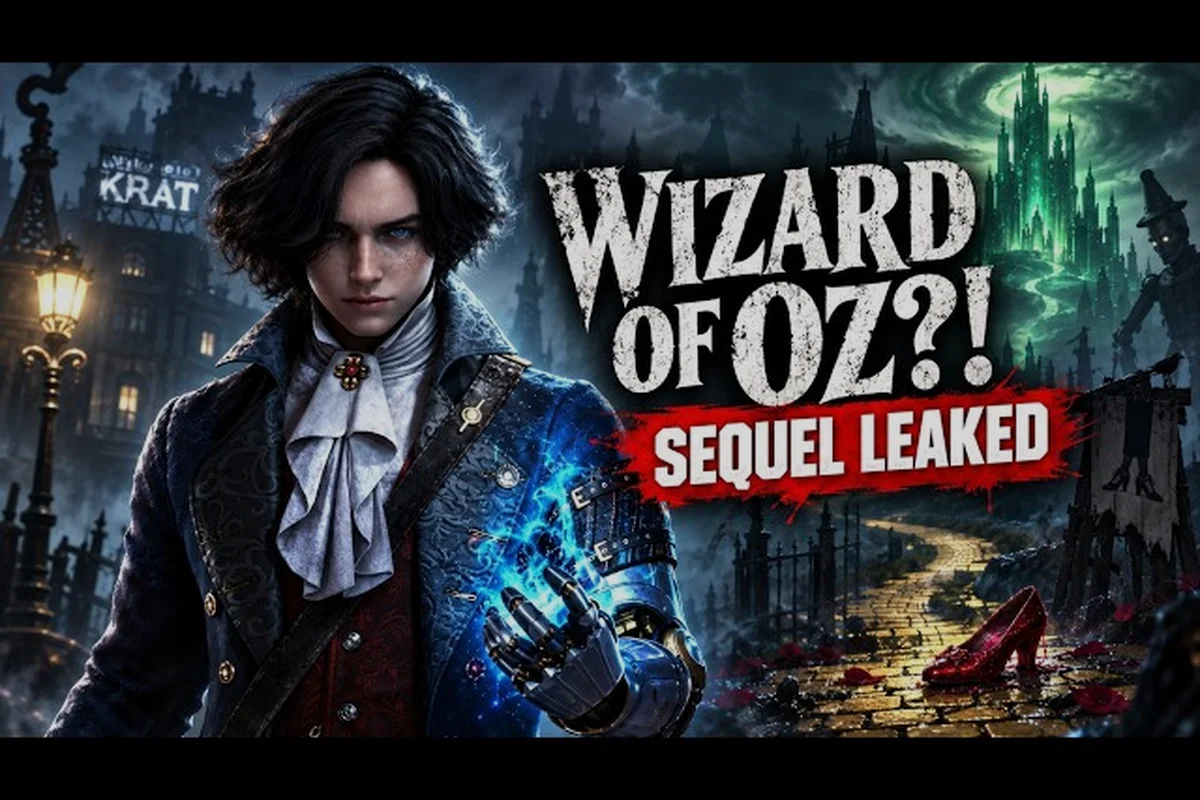
Wonders of O Lies of P Fans React to the Oz Sequel Buzz
Wonders of O Lies of P fans and the Oz sequel theory: what r/LiesOfP threads really expect, where the Dorothy clues lead, and which hopes stay pure fan fiction.