
Release Date
Wonders of O has no release date or window. Track the dated milestones that actually move it forward, and see why 2027 talk is speculation.
Introduction
This category tracks the only thing that matters to most readers: when the game arrives. NEOWIZ has not announced a date, a window, a season or even a year, so a page that lists one is guessing. What does exist is a short, dated chain of events that a release date has to travel through, and this category maintains that chain instead of inventing a countdown. The chain starts with the trademark application filed on September 10, 2026, continues through the reporting that followed and the investor communication that placed the project in full development, and ends wherever it currently stands. Each entry carries its date and its source, which means the page can be checked rather than trusted. It also means that when something genuinely new happens, such as a first trailer or a store page going live, the change is visible immediately instead of being buried under speculation.
Dated Milestone Ledger
| Date | Milestone | Source type | Status |
|---|---|---|---|
| Sep 10, 2026 | NEOWIZ files EU trademark application 019420678 for Wonders of O | Registry record | Verified |
| Sep 14, 2026 | Filing surfaces publicly and is reported by outlets including IGN, Eurogamer and Polygon | Press coverage | Verified |
| Current stage | Investor reporting places the sequel out of prototyping and in full development | Company reporting | Reported |
| Earlier stage | Prior reporting described the project as being at a vertical slice build | Company reporting | Reported |
| Next trigger | A first trailer, a Steam store page or a dated investor briefing | None yet | Pending |
Milestone Watchlist
Trademark Filing
September 10, 2026 — application 019420678
Press Wave
September 14, 2026 — global coverage within hours
Production Stage
Prototype approved, project in full development
Reveal Trigger
The event that would start the real countdown
Late Signals
Ratings, localisation and pre-orders
Core Mechanics
A release date emerges from a sequence of gates, and knowing the sequence is what turns impatience into something you can actually track. The first gate is a name being registered, which protects a title long before anyone sees the game and often happens years ahead of launch. The next is the project leaving prototype, which NEOWIZ investor reporting has now described, and after that comes a public reveal, normally a trailer attached to a showcase such as Summer Game Fest, a platform State of Play or The Game Awards. Only once a reveal exists does a store page usually appear, and only once a store page exists does a date or a window become normal to publish. Localisation announcements, age ratings and pre-order bundles follow in the final stretch and are the strongest short-notice signals available, because a game cannot be rated or sold in a region before it is nearly finished. None of those late signals exist yet for this project, which is why the window remains empty.
Advantages
Tracking milestones instead of dates gives you something that survives contact with reality. A dated ledger is auditable: if an entry is wrong you can see which source it came from and drop that source next time, and if a new event arrives you place it on the ledger rather than rebuilding the page around it. It also immunises the reader against the most common disappointment in pre-release fandom, which comes from believing an invented date and then feeling misled by the studio that never gave one. Third, a milestone ledger is genuinely useful across the whole wait, not just at the end, because every entry is a checkpoint that tells you whether the project has moved since you last looked. That is a more honest service than a countdown that must be silently reset every time a rumoured window passes without an announcement.
Challenges
The structural weakness of this category is that the answer is currently short and the temptation to pad it is strong. Without a window, most of the genuinely known material fits in a paragraph, and readers looking for a date will leave unsatisfied no matter how well the page is written. The ledger also depends on events that may not arrive for a long time, which means the page can sit unchanged for months and a reader may mistake stability for neglect. There is an accuracy risk in the other direction too: because investor language is deliberately broad, quotations such as full development can be over-read as a progress claim when they mainly indicate a stage. Finally, any comparison with how long other sequels took is an average drawn from unrelated projects, and this page uses those comparisons as context only, never as a schedule.
Frequently Asked Questions
Is there any release date for Wonders of O at all?+
Could the game arrive in 2027 or 2028?+
What single event would most change the release outlook?+
Quick Tips
Ignore dates that arrive without a source. An aggregator placeholder, a retailer estimate and a video title with a year in it are all the same thing: someone filling a required field. The only dates worth recording are ones a studio, a store or a ratings board has published itself, because those come with an accountable party attached. Everything else is a guess wearing the formatting of information, and it spreads fastest precisely when there is no real news to compete with it.
Watch the store page, not just the trailer. A trailer proves a game exists in a presentable form, while a store page with a wishlist button proves it is being positioned for sale, which happens much later and carries far more information about timing. Store pages also tend to list supported platforms, which settles a question that trailers usually leave ambiguous, and they are normally visible to everyone the moment they go live rather than only to attendees at an event.
Treat full development as a stage, not a percentage. The phrase tells you a project has left prototyping and is staffed for production. It says nothing about how much content is finished, and converting it into a launch year is where most optimistic timelines go wrong. Companies use broad language deliberately, because a specific status statement becomes a commitment, and the useful response is to record that the project moved without inventing a schedule around it.
Bookmark the registry record rather than a news article. Coverage can be edited, corrected or taken down, while a trademark entry keeps its applicant, filing date and application number in place, which makes it the one anchor you can always cite in an argument. It also lets you check secondary claims quickly: if an article says the filing covers something the entry does not mention, the entry is what the applicant actually asked a government office to protect.
Featured

Wonders of O Release Date: EUIPO Trademark Clues & Timeline
Hunting for the Wonders of O release date? Decode the EUIPO trademark filing, the Oz post-credits tease, and what NEOWIZ's timeline signals for launch.
Wonders of O When: Lies of P 2 Release Window & Clues
Wondering when Wonders of O actually drops? Break down the EUIPO trademark filing, the Oz post-credits tease, and the realistic Lies of P 2 release window.
Wonders of O Lies of P 2 Release Date: PS5, Xbox, PC & Switch 2
Tracking the Lies of P 2 release date across PS5, Xbox, PC, and Switch 2? Compare platform expectations, pre-order windows, and launch-day plans.
All Articles
Wonders of O 2028 Release: Countdown, Pre-Order & Collector Buzz
Targeting a Wonders of O 2028 release? Track the latest leaks, pre-order rumors, and collector edition chatter so you're ready the moment NEOWIZ confirms a date.
Wonders of O Delay: Lies of P 2 Pushback Signals
Worried about a Wonders of O delay? Track the Lies of P 2 sequel from vertical slice through full production and learn which milestones signal pushback risk.
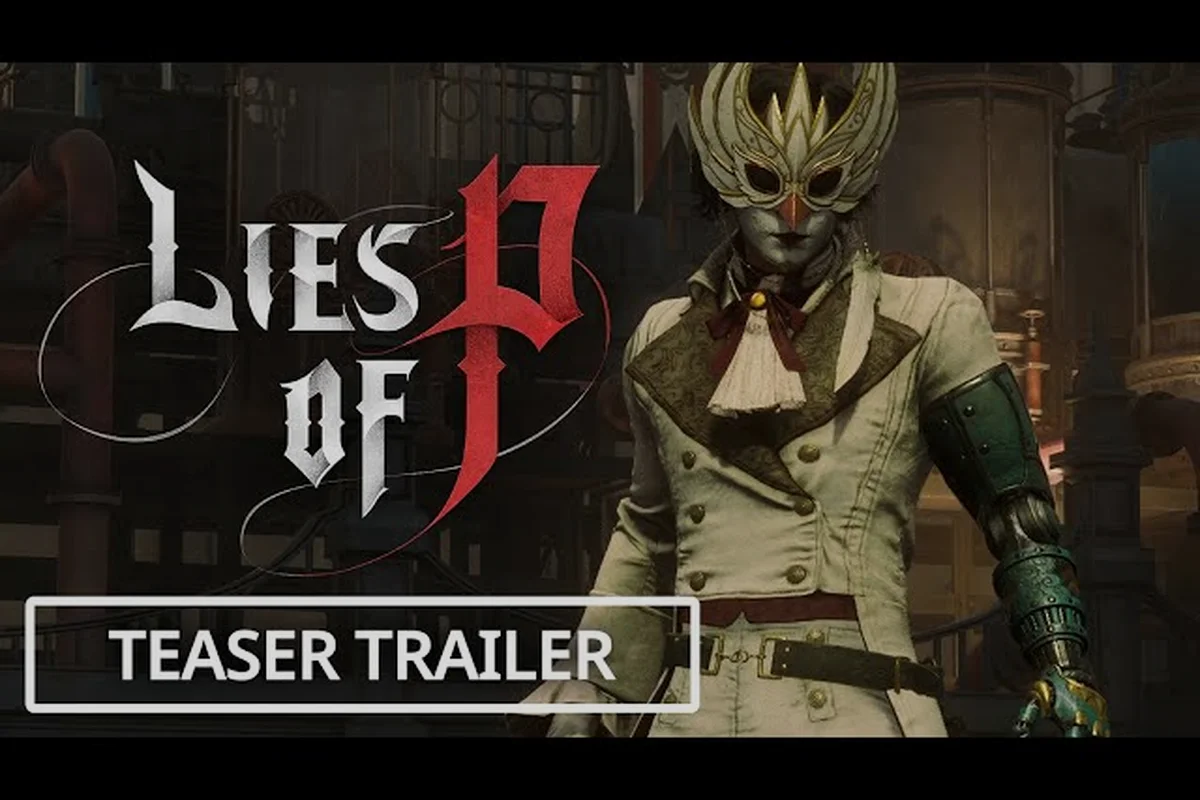
Wonders of O Lies of P 2 Preorder Bonus: Editions, Beta & Demo
Scouting a Lies of P 2 preorder bonus? Compare rumored Wonders of O editions, potential beta and demo access, and what early-bird rewards the sequel might offer.
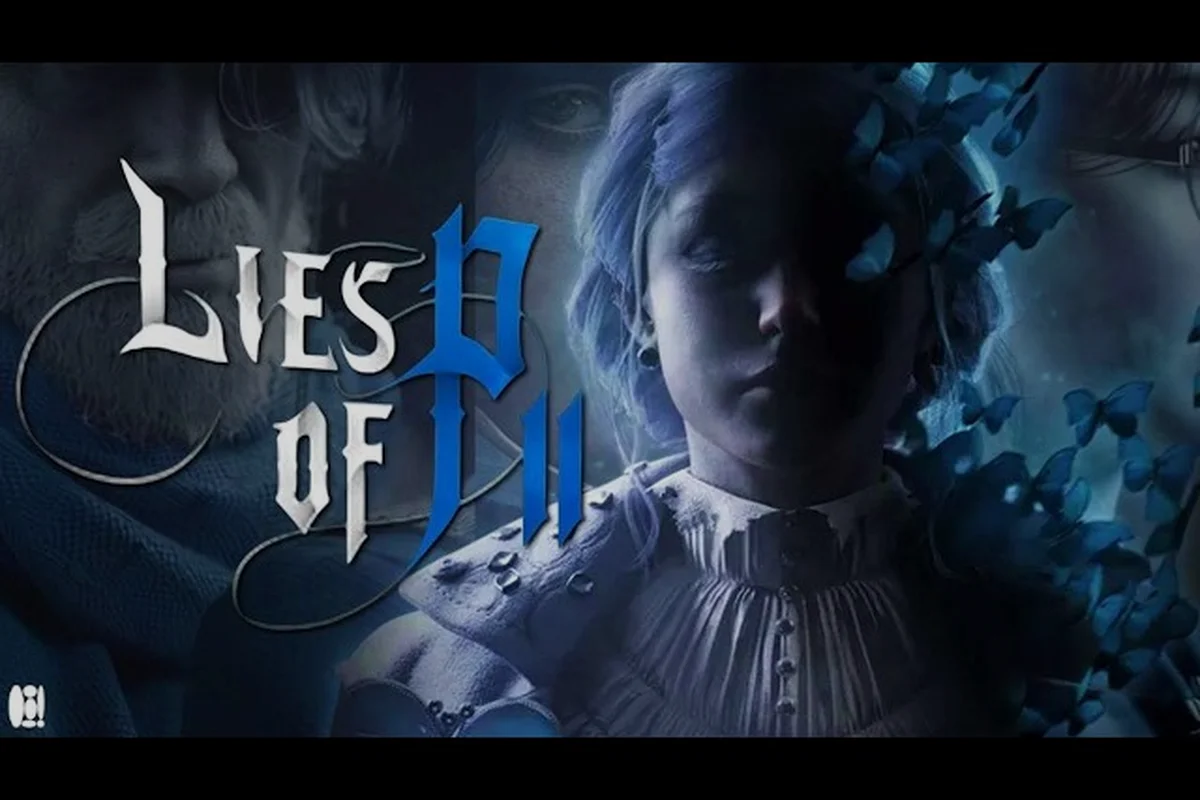
Wonders of O Lies of P Franchise Roadmap: Every Sequel Milestone
Map the full Lies of P franchise roadmap, from post-credits Oz teases and the Game Awards reveal to the Wonder of O sequel's confirmed full-production milestone.