
Characters
Dorothy, Paracelsus and the Oz candidates: who is confirmed in Wonders of O, who is teased, and who exists only in fan expectation.
Introduction
Characters splits into two groups that should never be mixed: the cast the series has already established and the Oz figures the studio has not touched at all. The first group is documented and includes Dorothy, who is named in the predecessor's post-credits scene and shown only from the ankles down; Paracelsus, the alchemist who operated behind the merchant identity Giangio and who is still searching for her when the game ends; and the puppet protagonist, who is Collodi's creation under a different name. The second group is a list of public-domain possibilities drawn from L. Frank Baum's novel: the Scarecrow, the Tin Man, the Cowardly Lion, Toto, Glinda, the Wicked Witch and the ruler Ozma. None of them appears in any official material about this project, and the interesting question is not whether they will appear but how a studio that renames its protagonists would rework them to fit a world of clockwork and alchemy. This category keeps the two lists apart and marks the reasoning behind every entry.
Cast Status Board
| Character | Series role | Status in sequel | Evidence |
|---|---|---|---|
| Dorothy | The figure the antagonist is searching for | Teased | Named and shown at the ankles in the closing scene |
| Paracelsus | Alchemist, hidden behind the identity Giangio | Confirmed | Drives the predecessor's plot and closes it still searching |
| The puppet protagonist | Player character of the predecessor | Confirmed | Central to the released game, adapted from Collodi |
| Geppetto, Sophia, Gemini | Supporting cast of the predecessor | Unknown | No statement about returning characters exists |
| Oz cast (Scarecrow and others) | Public-domain figures from Baum's novel | Speculation | No official material mentions any of them |
Cast Dossiers
Dorothy
Named once, never shown above the ankles
Paracelsus
Alchemist, manipulator, and the man still searching
The Puppet Protagonist
Collodi's creation, adapted and renamed
The Inherited Supporting Cast
The woodcarver, the guide and the lamp spirit
Oz Candidates
Scarecrow, Tin Man, Lion, Toto, Glinda and the witches
Core Mechanics
Character discussion in this fandom runs on a specific method, and understanding it is what separates a reasoned guess from a wish. Start with what the predecessor actually did: it took a well-known cast, renamed it, and rebuilt each figure around a mechanical or alchemical idea, so the woodcarver becomes an engineer and the puppet becomes a clockwork construction. Apply that same transformation to Oz and you get a workable set of predictions rather than a wish list. The Scarecrow, a figure defined by the absence of a brain, maps onto a puppet or automaton whose intelligence is contested. The Tin Man, defined by a missing heart, maps onto the humanity mechanic the series already built. The Cowardly Lion maps onto a beast or hunting construct, and the Wicked Witch onto an antagonist with the same kind of hidden machinery the alchemists used. That is speculation, but it is speculation with a stated method, which makes it checkable: if the sequel introduces a cast that follows this pattern, the reasoning was sound, and if it does not, the reasoning was wrong for identifiable reasons rather than merely unlucky.
Advantages
Working from the predecessor's cast gives this category a solid floor that most pre-release topics lack. Dorothy, Paracelsus and the protagonist are all documented, their relationships are established in a released game, and the central tension, an antagonist hunting a woman who has arrived in the city he ruined, is already written. That is enough material for character pages that stand on their own, independent of anything the sequel announces. The public-domain half of the list has a different advantage: because Baum's characters are free to use, they can be discussed and illustrated without the legal caution required for licensed properties, and they are familiar enough that readers arrive already knowing who they are. Between the two, this category is well placed to publish useful work both before and after a reveal, and to revise itself quickly when the cast is finally shown.
Challenges
The honest weakness is that most of the page count is about characters who may not appear. The Oz cast is attractive to write about precisely because it is familiar, and familiarity is not evidence, so there is a constant risk of a speculative roster being read as a confirmed one. The predecessor's supporting cast presents the opposite problem: Geppetto, Sophia, Gemini and the rest are documented but their return is entirely unknown, and building speculation on them is as ungrounded as the Oz predictions while looking more authoritative because the names are real. There is also a spoiler cost. The ending that carries the only hard character evidence is the ending of a game many readers have not finished, so any discussion of Dorothy has to spoil it to be useful, and this category warns rather than pretending otherwise.
Frequently Asked Questions
Is Dorothy the protagonist of Wonders of O?+
Will characters from Lies of P return?+
Which Oz characters is the studio legally free to use?+
Quick Tips
Keep confirmed and speculative names in separate lists. Mixing Paracelsus, who is documented, with the Scarecrow, who is not, is how a speculative roster starts to look like a leaked one after enough repetition. Two columns on one page is enough to prevent it, and the habit pays off at the moment of a reveal, because you can immediately see which of your expectations the studio met and which it never hinted at.
Watch how the predecessor renamed things. The series adapted a famous story and gave its lead a different name, so the useful question about any Oz figure is not whether they appear but what they would be called. Applied to Baum, that method suggests the famous roles will be recognisable through behaviour and costume while the names may be invented, which is precisely how the closing scene handles Dorothy herself.
Check whether a claim about returning cast traces to a source. Almost every rumour about the woodcarver, the guide or the lamp spirit comes from a wish rather than a document, and the studio has said nothing either way. This is one of the easiest claims to check, because a returning character is information that a store page, an interview or a cast list would have to mention, and none of those currently exists.
Remember that Dorothy is the only name the series has actually spoken. Everything else in the Oz column is a reader's expectation, however well reasoned, and the difference is worth stating whenever the topic comes up. Keeping that in mind also protects you from the opposite error, which is treating a strong thematic parallel as proof of nothing at all; the connection is real, it is simply narrower than most discussion of it implies.
Featured
Wonders of O Main Character: Tin Man, Lion & Wicked Witch Cast
Meet the Wonders of O main character roster — Tin Man, Cowardly Lion, Wicked Witch, and Dorothy, all tied to Lies of P's rumored sequel.
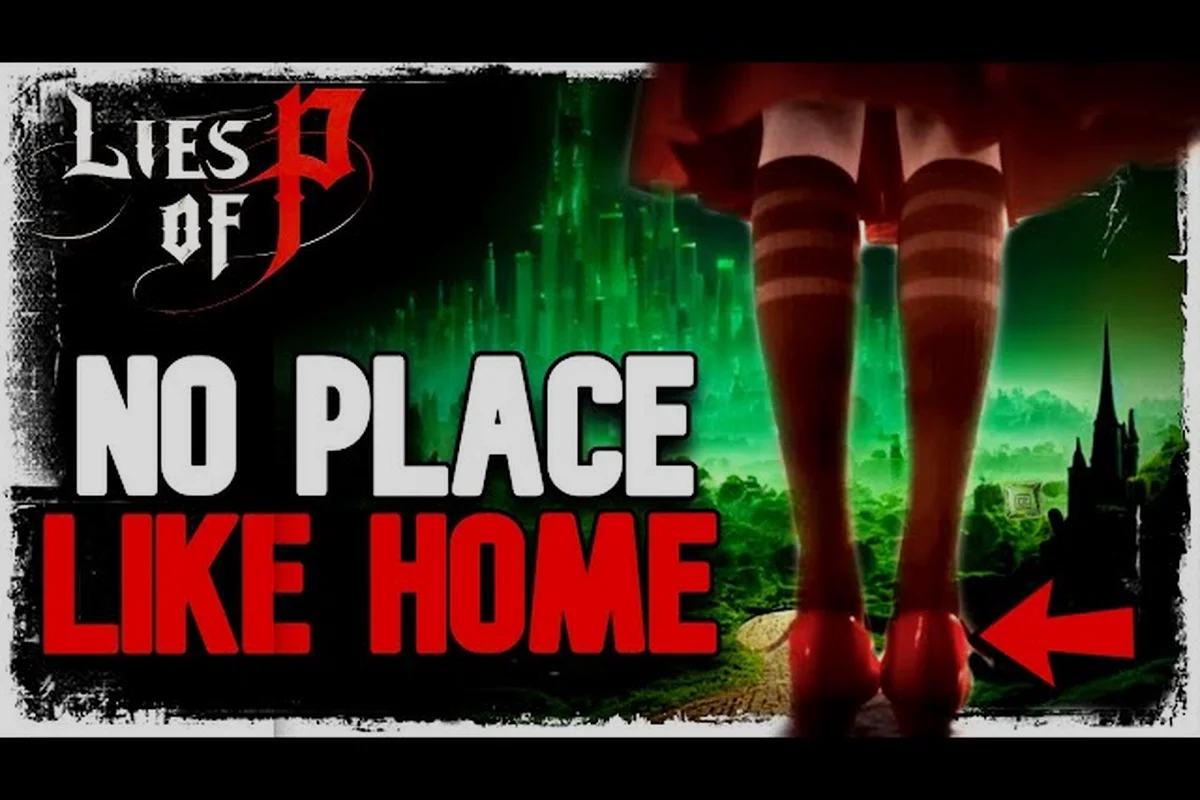
Wonders of O Lies of P 2 Dorothy Model: Design & VA Details
Analyze the Lies of P 2 Dorothy model leak, her gothic redesign, and voice actor rumors shaping the Oz protagonist's first playable appearance.
Wonders of O Lies of P 2 P: Geppetto, Sophia & New Faces
Break down Lies of P 2 P and his returning allies — Geppetto, Sophia, Gemini, Antonia, Venigni, and Alidoro — to see which Krat survivors shape the sequel.
All Articles
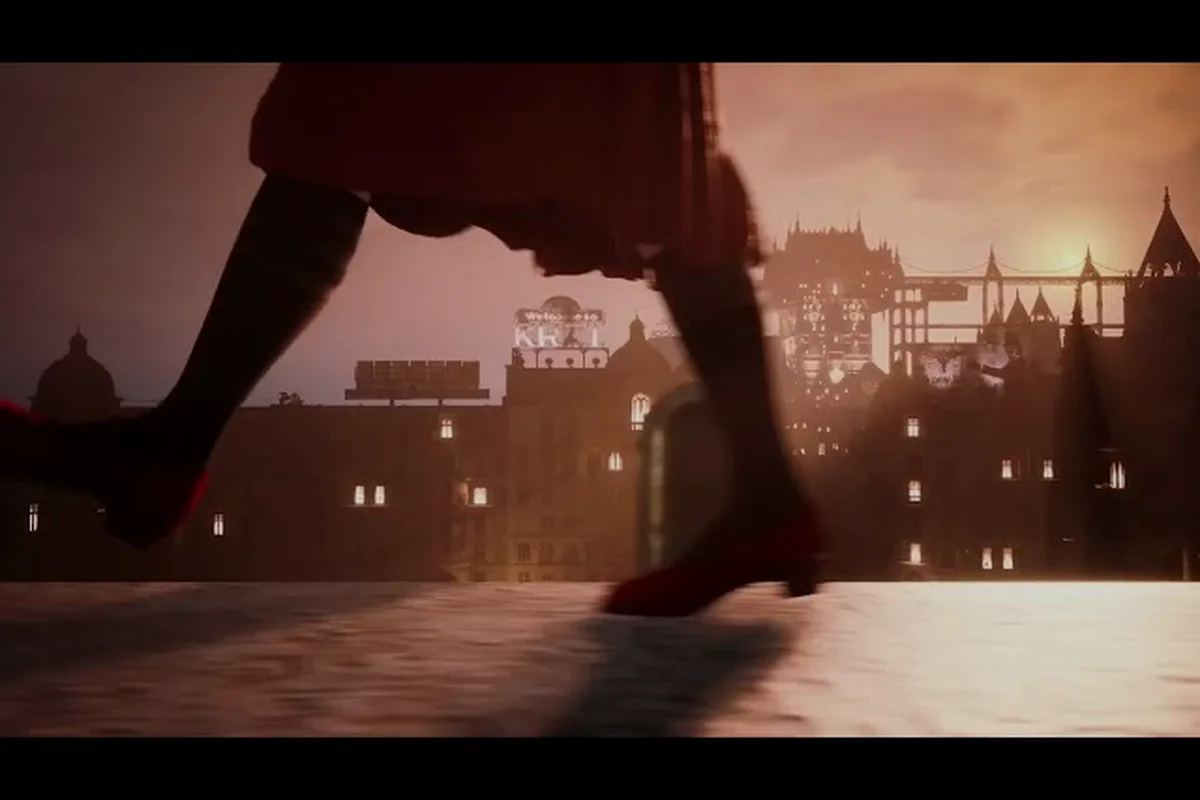
Wonders of O Protagonist: Toto, Scarecrow, Wizard & Glinda Cast
Profile the Wonders of O protagonist alongside Toto, the Scarecrow, the Wizard, Ozma, and Glinda to see which Oz figures shape the sequel.
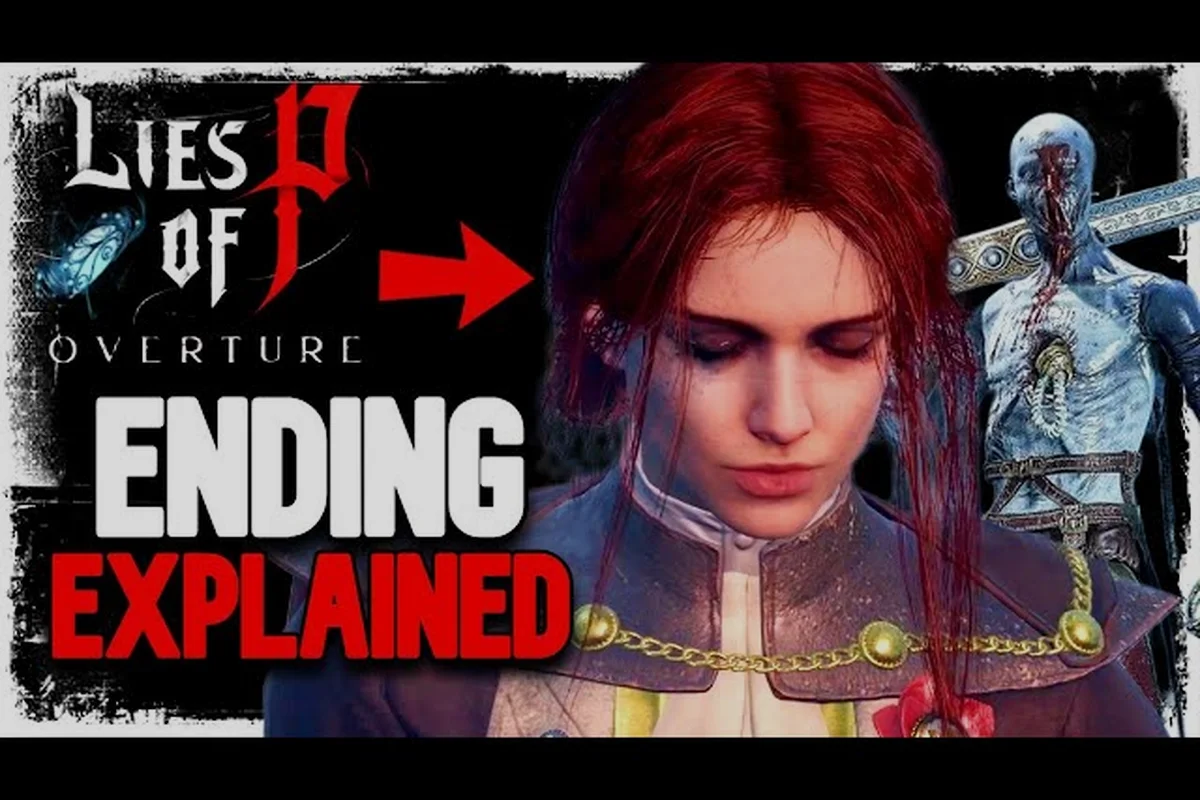
Wonders of O Lies of P 2 Red Fox: Rosaura Ties & Black Cat Theory
Investigate the rumored Lies of P 2 Red Fox character, her ties to Rosaura, the Black Cat alchemists, and what she signals for Dorothy's journey into Oz.
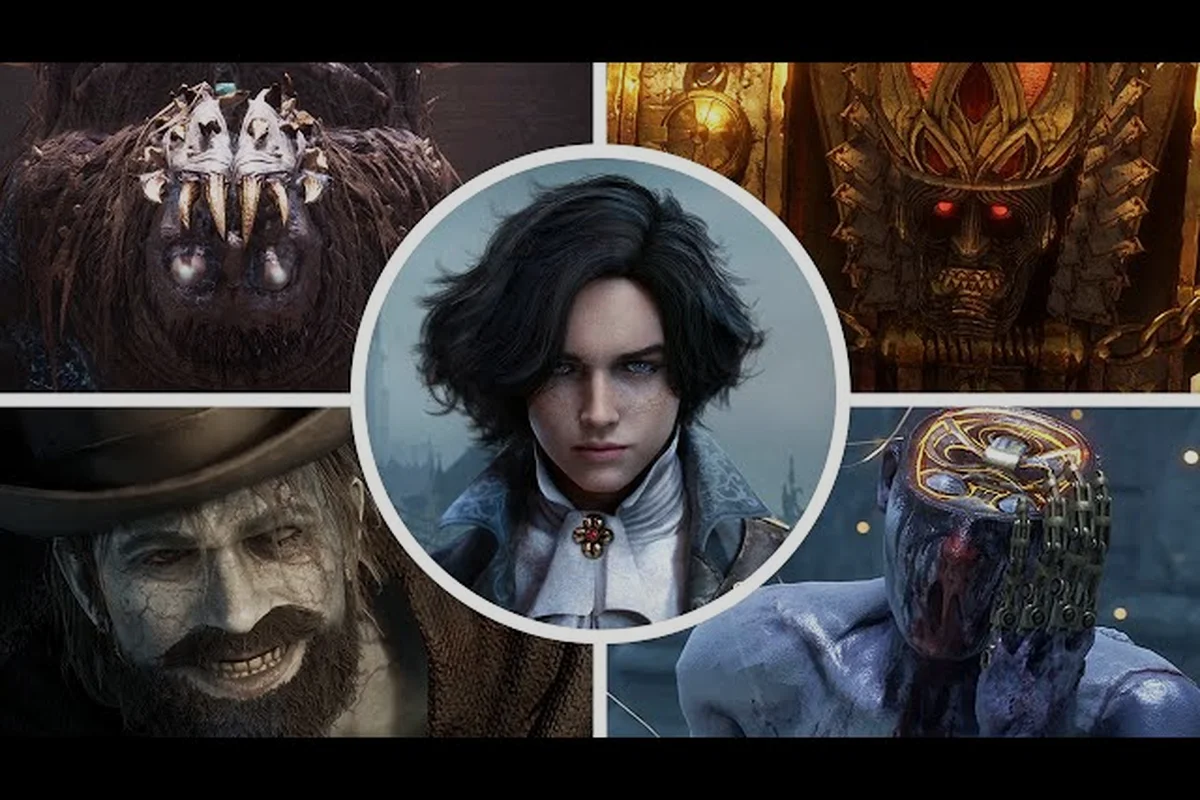
Wonders of O Lies of P 2 Returning Characters: Krat Cast
Track every Lies of P 2 returning character from Krat, including Geppetto, Sophia, and Venigni, to see which allies carry over into the Oz sequel.
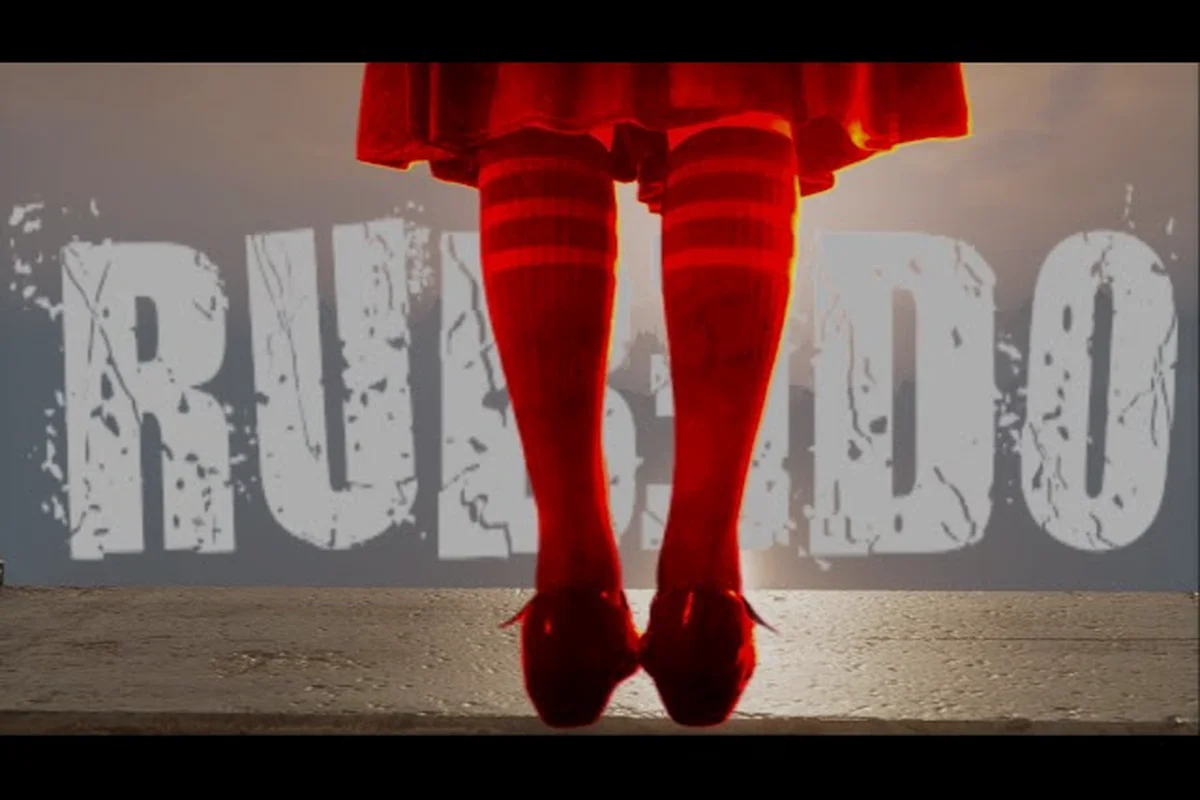
Wonders of O Lies of P 2 Dorothy: Protagonist & Pinocchio Link
Investigate Lies of P 2 Dorothy as the rumored protagonist, her ties to Pinocchio, Giangio, and Paracelsus, and how she reshapes the sequel's playable character.