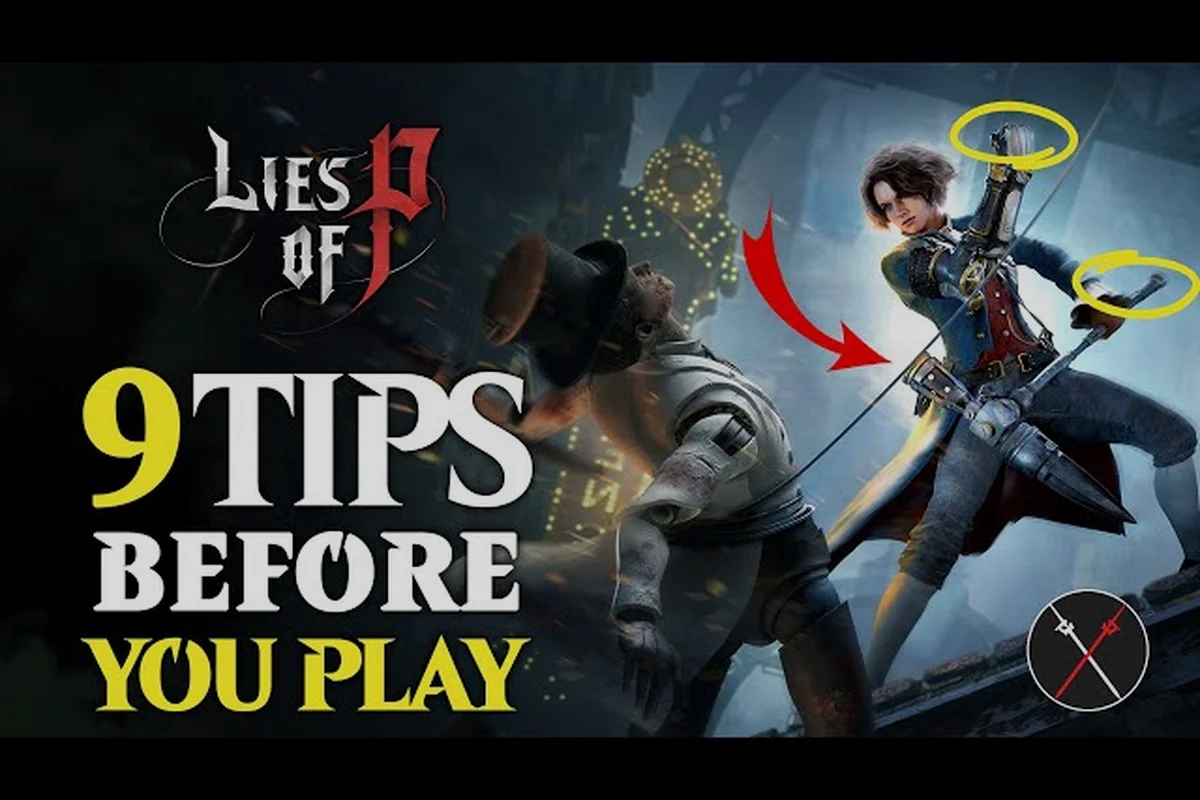
Lies of P 2 Legion Arms are the single biggest reason a Souls-like build either feels surgical or falls apart by the second elite encounter. Round8 Studio's mech-puppet combat inherits the original Lies of P framework — handle-grinding, weighty Fable Arts, and timing-based dodges — then layers in a new P-Organ system that quietly reshapes how every prosthetic tool behaves. According to the publisher's Lies of P official site, the sequel extends the Krat saga with a deeper prosthetic sandbox, so the choices you make at the Legion Arms bench now echo across parry timing, dodge windows, and even the grindstones you slot into your blade.
What Lies of P 2 Legion Arms Actually Do in Combat
A Legion Arm is more than a fancy grapple — it is a modular combat archetype that consumes Legion Plugs, triggers a unique skill tree, and feeds directly into the new P-Organ attribute web. If you are new to the series, the Wonders of O combat system overview breaks down how the prosthetic slot dovetails with weapon assembly and Fable Arts. In the sequel, that interplay is tighter: every Lies of P 2 Legion Arm now contributes toward arm-specific Legion Arts, special cooldown windows that gate your strongest emergency tools.
Core Function Categories
Each prosthetic slot belongs to one of three design buckets, and choosing the wrong bucket is the fastest way to die against the Overture-era bosses. Community testing on the Overture DLC patch line (1.13.1.0) suggests these categories have been rebalanced to make utility arms more viable in solo play.
| Category | Primary Role | Stamina Pressure | Best Matched Parry Style |
|---|---|---|---|
| Offense Arms | Burst damage, reach, or projectile pressure | Medium to high | Aggressive deflect + trade |
| Defense Arms | Shields, parry extenders, guard absorbs | Low to medium | Turtle-style timed block |
| Utility Arms | Mobility, status, or hazard removal | Variable | Hit-and-run dodge windows |
When you pick an arm from the Offense bucket, the natural rhythm is a deeper Lies of P 2 parry because you have the reach to punish after a deflect. Defense arms play best with conservative timed blocks, while Utility arms reward players who can chain Lies of P 2 dodge rolls into a Legion Art follow-up before stamina bottoms out.
Where P-Organ Slots Fit
The P-Organ system is the connective tissue between every Lies of P 2 skill you unlock. The P-Organ system is a passive attribute web spread across your puppet chassis — pulse points that grant stats like extra Legion Plug capacity, improved guard regen, and unique boons tied to specific arm types. Think of it as a soft respeccable layer that complements, rather than replaces, the Lies of P 2 skills tree at the Gold Fruit Tree and the Stargazer hubs.
The Eight Lies of P 2 Legion Arms at a Glance
Round8 has not officially published a full Lies of P 2 Legion Arms roster, but the Wikipedia entry on Lies of P and DualShockers' Legion Arms ranking analysis confirm a familiar eight-slot lineup inherited from the base game. Assuming a similar roster for the sequel (which community datamines broadly support), here is how the toolkit breaks down.
| Legion Arm | Category | Best-in-Slot Stat | Notable Legion Art | PvE Synergy |
|---|---|---|---|---|
| Flamberge | Offense | Technique | Flame spin wave | Burn stacking |
| Dextram Sword | Offense | Technique | Projectile spark | Mid-range poke |
| Witching Slab | Offense | Advanced | Shockwave pulse | Stagger punisher |
| Pompadour Saw | Offense | Strength | Sawblade pull | Disjoint tracking |
| Fulmenis | Utility | Technique | Lightning pull | Aerial chase |
| Legion Plugs (L/R) | Utility | Motor | AOE discharge | Escape windows |
| Shield Arm | Defense | Vitality | Guard counter | Parry focus |
| Quartz Slab | Utility | Advanced | Homing shards | Boss DPS window |
The Offensive quartet is where Lies of P 2 grindstones interact most, because each arm's light/heavy chain pulls double duty with grindstone buffs like Stability or Fable Arts Acceleration. Picking a Defense arm means your grindstone budget should lean into Fable Arts, since you will be parrying more than swinging.
Lies of P 2 Grindstones and How They Rewire Your Timing
Grindstones in the sequel function as attachable buff chips that modify weapon performance for a limited duration after activation. They are not the Lies of P 2 Legion Arms themselves, but they are inseparable from the arm you have slotted, because every grindstone cycles with the same stamina rules your Legion Art obeys. Community testing on the Overture patch line indicates four core grindstone families.
| Grindstone Family | Primary Effect | Stamina Cost Tier | Synergy With Lies of P 2 Fable Arts |
|---|---|---|---|
| Sharpness | +% damage, short window | Low | Burst Fable Arts finishers |
| Fable Acceleration | Faster Fable Arts charge | Medium | Multi-hit Fable Arts strings |
| Stability | Reduces stagger on hit | Low | Heavy weapon punishes |
| Guard Regen | Faster block recovery | Medium | Parry-heavy playstyles |
Pairing the Fable Acceleration grindstone with a charge-style Lies of P 2 Fable Arts is the highest-damage combo most players will find, because it lets you fire two charged Fable Arts in the time most builds fire one. If you lean into Lies of P 2 parry, the Guard Regen grindstone is the unsung hero — it removes the one-frame punish that skilled players use to bait timid deflects.
Grindstone Cycle Management
Each grindstone lasts roughly 8 to 12 seconds depending on tier, and over-activating is the most common mistake new players make. A good rule of thumb reported by the Lies of P community: only refresh the chip when your current buff has fewer than three seconds left, otherwise you waste the activation animation. This is where the P-Organ system quietly shines, because one of the pulse nodes grants a small extension to grindstone uptime, turning a five-second buff into a more forgiving seven-second window.
Lies of P 2 Parry, Dodge, and the New Defensive Window
Defensive play in the sequel is layered, and the dev team's rebalance — chronicled across the Lies of P: Overture DLC review on Worth Playing — pushes players toward a hybrid of timed blocks and i-frame rolls rather than pure turtle. The Lies of P 2 parry timing window is roughly 12 frames on a standard humanoid swing, but it tightens to about 6 frames against Overture-era overheads.
Parry Builds in Practice
A parry-first build runs the Shield Arm or Pompadour Saw for reach-assisted deflects, stacks Lies of P 2 grindstones that improve guard regen, and routes points into the P-Organ nodes that extend the parry counter window. The result is a playstyle that converts every deflect into a Legion Art follow-up, which is the cleanest damage pipeline the sequel offers.
| Playstyle | Primary Arm | Key Grindstones | P-Organ Priority |
|---|---|---|---|
| Pure parry | Shield Arm | Guard Regen, Stability | Counter Window |
| Hit-and-run | Fulmenis / Quartz Slab | Sharpness, Fable Acceleration | Cooldown Reduction |
| Heavy pressure | Flamberge / Pom Saw | Fable Acceleration, Sharpness | Legion Plug Capacity |
| Status lock | Witching Slab | Stability, Fable Acceleration | Status Application |
The hit-and-run row is the closest analogue to classic Souls dodge play, because the Fulmenis and Quartz Slab both reward a clean Lies of P 2 dodge into a follow-up projectile or homing burst. If you are still building your defensive fundamentals, the Wonders of O soulslike catch-up guide frames the broader parry-versus-dodge decision tree for the entire trilogy.
Lies of P 2 Skills, Fable Arts, and the Build Triangle
Lies of P 2 skills come from two parallel trees: the Legion Arts tied to your active arm and the Fable Arts attached to the handle-blade combination you assemble at a Workbench. Both trees draw from the same Legion Plug currency, so overspending on one side will starve the other.
How the Triangle Works
Most players will rotate through three states during a boss fight: parry or dodge to create an opening, deploy a Legion Art for a quick reaction, and finish with a Fable Arts charged swing when the boss is staggered. The P-Organ system intersects this triangle by offering pulse nodes that reduce the cost of all three, letting you stay in the action for longer stretches.
| Action | Resource Spent | Reset Condition | Common Mistake |
|---|---|---|---|
| Legion Art | 1-2 Legion Plugs | Cooldown or parry | Spending both plugs off cooldown |
| Fable Arts (charge) | 1 Fable charge bar | Successful charge | Holding charge through a hit |
| Grindstone | Stamina only | Timer expires | Refreshing too early |
| Dodge | Stamina only | Stamina regen | Panic rolling twice |
A clean cycle is parry → Legion Art → Fable Arts charge → grindstone refresh → repeat, and that pattern is what separates a steady run from a one-shot wipe. The Wonders of O combat system reference breaks down how this triangle connects to the broader weapon assembly pipeline for players who want a longer-form view.
Lies of P 2 P-Organ System: The Hidden Build Layer
The P-Organ system is the most underused build lever in the game because it sits between the visible skills tree and the passive attribute web. Each pulse node grants either a direct stat (extra HP, stamina cap) or a Legion Art enhancer (extra charge, longer parry counter, faster grindstone cycle). The catch: every node costs Ergo plus a rare Quartz item, so early-game players should only spec into nodes that match their current Lies of P 2 Legion Arms choice.
Priority Nodes for the Three Archetypes
| Archetype | First Node to Unlock | Second Node to Unlock | Skip Until Late Game |
|---|---|---|---|
| Parry Defender | Counter Window | Guard Regen Pulse | Elemental Pulse |
| Legion Spammer | Plug Capacity +1 | Cooldown Reduction | Mobility Pulse |
| Fable Caster | Fable Charge Speed | Charge Damage Up | Stamina Cap |
If you want a deeper numbers walkthrough of how stats scale into this build, the Lies of P 2 leveling primer maps the broader stat economy across the campaign. Treat P-Organ as a mid-campaign layer — by the time you have four to six arms unlocked, you will know which combat rhythm you prefer, and the P-Organ choices will start to make sense.
Picking the Right Lies of P 2 Legion Arms for Your Build
With eight arms and three archetypes, the practical question is which arm to invest in first. Below is a build-priority matrix that maps each arm to a recommended grindstone family, P-Organ node, and Fable Arts pairing based on community-tier data and the Overture DLC's rebalance pass.
| Priority Slot | Arm | Grindstone Pair | Fable Arts Pairing | Difficulty to Use |
|---|---|---|---|---|
| 1st arm | Shield Arm | Guard Regen | Defender Fable | Easy |
| 2nd arm | Flamberge | Sharpness | Burst Fable | Easy |
| 3rd arm | Fulmenis | Fable Acceleration | Mobility Fable | Medium |
| 4th arm | Pompadour Saw | Fable Acceleration | Heavy Fable | Hard |
| 5th arm | Quartz Slab | Stability | Ranged Fable | Medium |
| 6th arm | Witching Slab | Fable Acceleration | AoE Fable | Hard |
| 7th arm | Dextram Sword | Sharpness | Combo Fable | Medium |
| 8th arm | Legion Plugs (L/R) | Guard Regen | Escape Fable | Easy |
If you are at the very start of the campaign, the Shield Arm is the safest opener because it forgives mistimed Lies of P 2 parry attempts and teaches you the deflect rhythm before you graduate to an offense tool. By mid-game, swap to the Flamberge or Fulmenis so you can pressure enemy posture between parry windows. Late-game players chasing the Overture-tier bosses should keep the Pompadour Saw on the bench for fights that punish stationary play.
Frequently Asked Questions
Which Lies of P 2 Legion Arm is best for beginners?
The Shield Arm is the most forgiving opener because it adds a guard counter window that lets you convert mistimed parries into Legion Art follow-ups. Pair it with the Guard Regen grindstone and the Counter Window P-Organ node, and you will survive most early bosses without learning a perfect deflect frame.
How do Lies of P 2 grindstones interact with Fable Arts?
Grindstones modify how fast a Fable Art charges, how much it costs, or how hard it hits, depending on the chip family. The Fable Acceleration grindstone is the most popular because it lets you fire a charged Fable Art twice in the time most builds fire once, which is the highest-damage combo the sequel offers.
When should I invest in the P-Organ system?
Wait until you have unlocked at least two Legion Arms and identified your preferred playstyle, then spec into the matching P-Organ nodes. Each node costs Ergo and a rare Quartz, so early-game investment is wasted if you later respec into a different archetype. Mid-campaign, around the third Stargazer, is the sweet spot reported by community testing.
Is Lies of P 2 parry or dodge better for solo play?
Both work, but the safer baseline is parry because a clean deflect refunds stamina, while a dodge always costs stamina. The hybrid route — parry humanoid swings, dodge the heavy AOE — is the highest-clear build for Overture-tier content because it lets you chain a Legion Art and a Fable Arts follow-up from the same opening.
Do all eight Legion Arms return from the base game?
Round8 has not published an official Lies of P 2 Legion Arms roster, and datamines are still rolling in. Community tier lists based on the Overture DLC assume a similar eight-arm lineup, but the final count could shift at launch — the safest bet is to bench your favorites once the official arm list is confirmed, and respec P-Organ nodes only after the launch patch settles.