
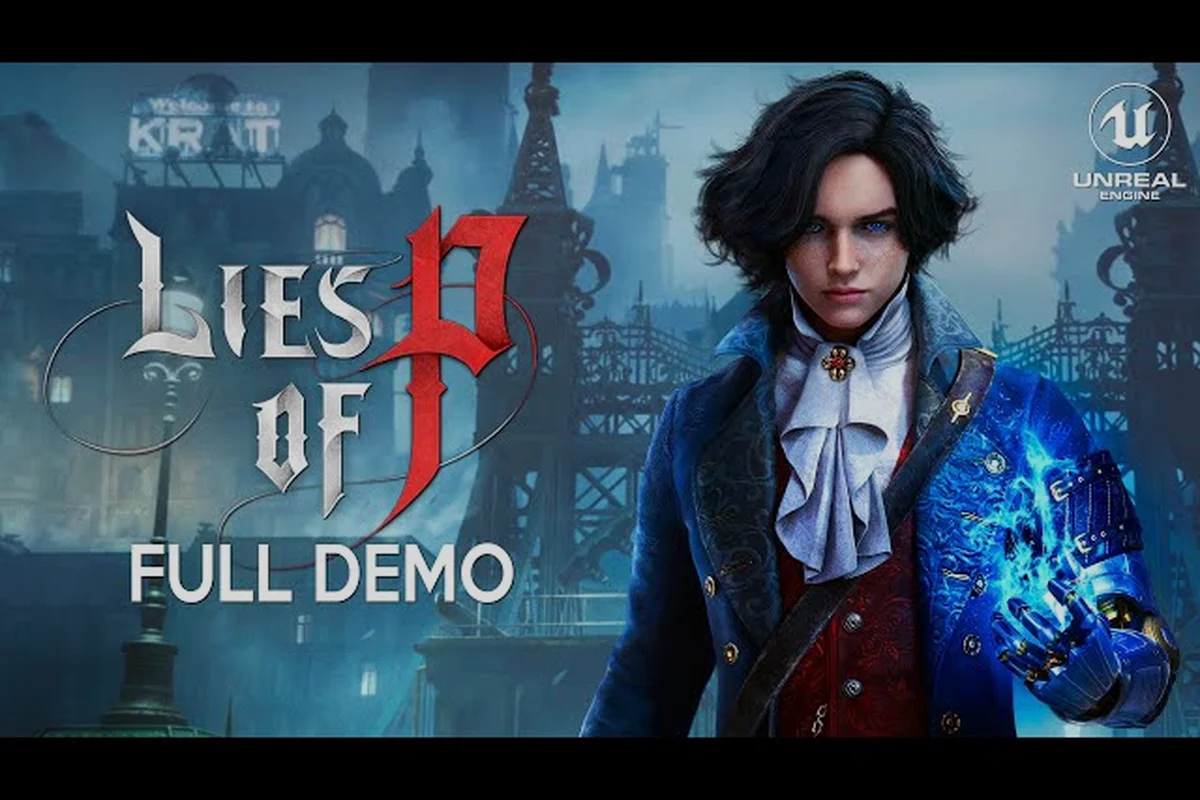
Lies of P 2 gameplay carries forward Round8 Studio's signature Soulslike blueprint while opening new doors for build expression. The sequel extends every system that defined the original Krat saga, from the modular blade-and-handle weapon assembly to the layered Legion Arm, and rebalances the stamina economy to reward patient, deliberate play. Veterans who cleared the first game on the highest difficulty will recognize familiar rhythms, while newcomers benefit from quality-of-life adjustments that soften the most punishing edges without flattening the challenge that made the series a standout. The result is a combat sandbox that feels both reverent and refreshed, and understanding how the pieces fit together is the first step toward mastering what comes next.
The Combat Loop at the Heart of Lies of P 2
The core of Lies of P 2 combat stays rooted in weighty, committed strikes, but Round8 has tuned the windows between attacks to feel less punitive on reaction timing. Heavy blades still demand stamina budgeting, while lighter rapier-style handles reward rapid punish attempts against staggered foes. A new pre-guard momentum system lets players carry a small amount of forward inertia into their first swing, which opens up aggressive roll-catch setups that were nearly impossible in the original game. According to the Lies of P official site, the team has been iterating on the rhythm since the 1.13.1.0 patch line, and the sequel's combat tempo reflects that long-term tuning philosophy.
The defensive layer has also grown. The classic parry window remains a central skill check, but a contextual dodge offset now lets players chain a perfect parry into a sidestep without burning a full evasion roll. This addition rewards players who internalize enemy tells because the offset only triggers when the parry lands cleanly. Lies of P 2 mechanics like this one encourage mastery of timing rather than spamming defensive inputs, and players who lean into the new offset report feeling noticeably more in control during multi-enemy encounters inside cramped Belle Époque corridors.
Stamina, Posture, and the New Pulse Gauge
Stamina management still governs every swing, sprint, and block, but posture damage has been rebalanced to scale with the attacker's weight class. A heavy greatsword will now chunk an enemy's stagger bar faster than a paired dagger combo, which finally gives slow-handle builds a clear payoff for their reduced swing count. The new Pulse Gauge is a third resource layered on top, filling whenever the player lands flawless parries or executes a critical hit on a recovering foe. When the gauge flashes, the next Legion Arm burst or Fable Art is amplified, dealing bonus posture damage and staggering most standard enemies outright.
| Resource | Primary Use | Regen Trigger | Lies of P 2 Change |
|---|---|---|---|
| Stamina | Attacks, sprints, blocks | Idle, walking, successful parry | Slight regen on parry confirmed |
| Posture (enemy) | Stagger threshold | Heavy or charged hits | Weight-class scaling added |
| Pulse Gauge | Amplify bursts and Fable Arts | Flawless parry chains, crits | New resource in Lies of P 2 mechanics |
| Ergo (currency) | Leveling, shop purchases | Enemy kills, item pickups | Carry-over loss on death retained |
Legion Arm Variants and the Specter Slot
The Legion Arm returns with the same slot-based design, but each variant now ships with a sub-archetype choice at first acquisition. The Falcon Eyes can be specced toward ranged crowd control or focused single-target sniping, while the Pandemonium splits into a sweeping shockwave mode or a short-range detonation that punishes clustered mobs. Lies of P 2 combat also introduces a passive Specter Slot that accepts a captured echo from a defeated boss, granting a small permanent buff such as bonus poise on awakening or a flat damage increase against staggered targets. Choosing which specter to bind becomes a build-defining decision rather than a flavor pick.
Lies of P 2 Weapon System: Handles, Blades, and Assembly Returns
The lies of p 2 weapon system is the headline feature for returning players because weapon assembly shaped the identity of the original game. Every blade can be paired with nearly any handle, and the resulting weapon inherits a blended stat profile from both components. The sequel preserves that combinatorial depth while adding quality tiers and an affinity layer. Blades now arrive in Normal, Polished, and Awakened variants, with the rarer tiers granting additional scaling or passive effects that the assembly math alone cannot deliver.
Lies of p 2 weapon assembly also exposes a new Inlay Socket on every finished weapon, which accepts a single modular gem. Inlays range from flat stat boosts to conditional effects like bonus damage on bleed buildup or stamina refund on consecutive perfect guards. Because the inlay is applied after assembly, players can swap it freely at a bench without rebuilding the entire weapon, which encourages experimentation across multiple build paths in a single playthrough.
| Component Type | Examples | Stat Influence | New Lies of P 2 Twist |
|---|---|---|---|
| Blade (large) | Greatsword, Halberd, Hammer | Reach, motion values, posture dmg | Awakened tier adds hidden scaling |
| Blade (small) | Dagger, Straight Sword, Saber | Swing speed, crit multiplier | Polished tier enables bleed synergy |
| Handle | Standard, Heavy, Light, Trick | Stamina cost, weight, scaling | Affinity tag influences inlay slots |
| Inlay | Ruby, Sapphire, Amber, Void | Conditional bonuses | Swappable at any workbench |
Affinity Tags and How They Shape Builds
Affinity is the newest layer added to lies of p 2 weapon assembly, and it functions as a soft gate that nudges players toward coherent themes. A blade with the Fierce affinity will scale slightly harder with Strength but receive diminishing returns from a Dexterity-focused handle, while a Cunning blade rewards finesse stats. The system does not lock players out of unconventional combos, but it surfaces clear winners and losers so that theorycrafting has a baseline. Community data from the Overture DLC era already showed players ranking the best new weapons by similar affinity logic, and the sequel formalizes that intuition.
Fable Arts and the Charge Window
Fable Arts, the unique weapon skills introduced in the base game, return with a refreshed charge window. Holding the input now charges a more powerful variant at the cost of a longer recovery, giving skilled players a new way to convert openings into massive burst damage. Each Fable Art also interacts with the Pulse Gauge introduced earlier, and a charged art consumed at full Pulse can stagger even the toughest minibosses if it lands during their recovery frames.
New Features That Redefine Lies of P 2 Gameplay
Beyond combat and weapon assembly, lies of p 2 new features include a layered hideout system, a reworked crafting bench, and a dynamic event tracker. The hideout now functions as more than a teleport hub; it houses NPCs whose storylines progress based on which bosses the player has defeated and which factions they have aligned with. This means that exploration decisions carry over into dialogue branches and even into the availability of certain merchants, which deepens the role-playing texture that the original game only hinted at.
Lies of p 2 changes to the crafting system consolidate consumable production into a single bench, removing the fragmented recipes that required fast-travel back to multiple vendors. Instead, gathered components feed directly into throwable crafting, buff elixirs, and ammunition for ranged Legion Arms. According to community reports on the Lies of P Overture expansion coverage, the same pattern of streamlining was praised in the DLC, and the sequel extends it across the entire base experience.
Difficulty Options and Accessibility Pass
Round8 has confirmed a layered difficulty menu that lets players tune individual axes: enemy aggression, damage taken, and stamina drain can each be set independently. Players who want a pure Soulslike can leave everything at standard, while those who want to focus on the narrative can lower damage taken without touching enemy aggression. This lies of p 2 changes addresses a long-standing criticism that the base game punished players who only had time for short sessions, and it opens the series to a wider audience without compromising the core combat feel. For a deeper look at how these options interact with build variety, the combat changes guide walks through every slider.
Story Branches and the Humanity Stat
The humanity stat from the original game returns, but the threshold for each ending has been adjusted to give players more meaningful agency mid-run. Allying with certain factions raises or lowers humanity in larger increments, so a single quest choice can shift the ending trajectory by an entire tier. The story remains grounded in the Pinocchio-inspired mythology that defined Krat, and players who want a refresher before stepping into the sequel can consult the story recap guide to align their expectations.
Boss Design, Enemy Variety, and Build Synergy
Boss design in the sequel leans harder into phase transitions that force players to re-evaluate their current build. Several returning archetypes gain new attack strings, and a small number of mini-bosses from the base game reappear as full bosses with expanded move sets. Lies of p 2 combat against these encounters rewards the same patience that defined the first game, but the Pulse Gauge gives skilled players a new way to punish the longer recovery windows that phase transitions create. Players who want a preview of which encounters define the early game can browse the boss fights guide for difficulty ratings and recommended counters.
Standard enemy variety has also expanded, with new faction types introduced in the Krat outskirts and a handful of returning puppet enemies that now have unguardable grab attacks. These additions raise the cost of passive blocking and incentivize the use of dodges, parries, or the new dodge offset discussed earlier. A well-timed dodge into a parry punish remains the cleanest way to delete most trash mobs, and pairing that rhythm with a Pulse-amplified Fable Art converts even the most crowded encounters into manageable skirmishes.
Recommended Build Archetypes for Early Runs
Players who want a foothold in the early game can pick from three proven archetypes, each of which maps cleanly onto the lies of p 2 weapon system. A Strength build uses a heavy greatsword blade paired with a Heavy handle, leans on the Pulse-amplified charged Fable Art for burst windows, and binds a defensive Specter for poise stability. A Dexterity build pairs a saber blade with a Light handle, focuses on rapid posture damage, and uses the dodge offset to chain parries into counterstabs. A Balanced build uses a straight sword with a Standard handle, takes advantage of the new inlay sockets to flex between stat boosts, and serves as the easiest entry point for newcomers learning the combat tempo.
| Archetype | Blade + Handle | Key Strength | Early Game Risk |
|---|---|---|---|
| Strength | Greatsword + Heavy | Burst from charged Fable Arts | High stamina cost on miss |
| Dexterity | Saber + Light | Fast posture pressure | Low poise, risky trades |
| Balanced | Straight Sword + Standard | Flexible inlay swaps | Lower ceiling per encounter |
| Bleed | Dagger + Trick | Fast bleed proc and crits | Requires Polished blade for synergy |
How Build Synergy Ties Combat and Assembly Together
The strongest lies of p 2 gameplay loops happen when combat, weapon assembly, and the Pulse Gauge reinforce each other. A player running a Dexterity bleed build, for example, can land rapid dagger crits to fill the Pulse Gauge quickly, then detonate the gauge with a Legion Arm burst to trigger the bleed proc on the entire group. That kind of layered interaction was theoretically possible in the base game but required precise menuing, whereas the sequel's faster pulse fill rate and more responsive burst animation make the loop feel like a designed combo rather than a happy accident. Players who want to drill into the broader combat system can pair this article with the combat system overview for a fuller picture of how the new pulse layer fits the existing framework.
Lies of P 2 Mechanics for Endgame and Replayability
Endgame content expands on the New Game Plus structure that shipped with Overture. Lies of p 2 mechanics for replayability include a randomized modifier pool that swaps enemy behaviors, environmental hazards, and reward tables each cycle, ensuring that a second run feels meaningfully different rather than simply harder. Modifier choices like Glass Cannon (double damage dealt and taken) or Frenzy (faster enemy attack rate, increased Ergo drops) give players reasons to chase specific builds and to push specific weapon assemblies further than a standard playthrough would allow.
The hideout progression also carries over into New Game Plus, with several NPCs offering new dialogue trees and one or two entirely new questlines that only unlock after a first clear. This design rewards completionists who have already invested in the world's lore and want to see how the story branches resolve. Combined with the expanded affinity system and the modular inlay sockets, the endgame pushes players toward experimenting with at least two or three distinct build archetypes before settling on a favorite.
How to Plan a First Playthrough
A first playthrough benefits from a soft focus plan rather than a hard commitment to a single build. Players who want the smoothest experience can follow a lightweight path: pick a handle that matches the favored stat, experiment with two or three blade types before settling, slot a defensive Specter early to soften the learning curve, and only commit to a full build once the first major boss has been cleared. That pacing leaves room to enjoy the story while still letting the lies of p 2 weapon system breathe, and it leaves the deepest optimization for the New Game Plus modifier pool.
| Playthrough Phase | Recommended Focus | Mistake to Avoid |
|---|---|---|
| Opening hours | Learn parry timing, try two blade types | Burning Ergo on premature leveling |
| First major boss | Lock in a primary handle | Ignoring the Pulse Gauge tutorial |
| Midgame | Experiment with inlay sockets | Skipping hideout NPC dialogue |
| Endgame prep | Stock consumables, reforge weapons | Forgetting to bind a second Specter |
| New Game Plus | Pick a modifier, run a fresh build | Replaying identical routes without testing mods |
Frequently Asked Questions
How does Lies of P 2 gameplay differ from the original Lies of P?
The sequel layers a new Pulse Gauge on top of the existing stamina and posture systems, adds dodge offsets after perfect parries, and rebalances enemy aggression to reward patient play. The base combat tempo feels slightly faster, and the new Specter Slot gives players a permanent passive buff to anchor their build around.
Is the weapon assembly system from the base game returning in Lies of P 2?
Yes. Every blade still pairs with nearly any handle, and the lies of p 2 weapon assembly adds Inlay Sockets and Affinity Tags for more build identity. The system is deeper than the original because rarity tiers now influence stat scaling, and inlays are swappable at any workbench.
What are the biggest new features in Lies of P 2?
Lies of p 2 new features include the Pulse Gauge, a layered hideout with progression-aware NPCs, a unified crafting bench, modular inlay sockets, and a New Game Plus modifier pool. Difficulty sliders are also split across enemy aggression, damage taken, and stamina drain so that players can tune the experience to their preferred level of challenge.
Can I respec my character in Lies of P 2?
Yes, and the respec is more accessible than in the base game. The crafting bench in the hideout handles both consumable production and full skill respecs for a small Ergo cost, which means players can experiment with multiple archetypes within a single playthrough without losing hours of progress.
Do I need to finish the first game before playing Lies of P 2?
A fresh save is fully supported, and the opening hours include a contextual recap of the Krat saga. Players who want a deeper understanding of the returning factions, including the Black Rabbit Brotherhood featured in the Overture DLC coverage, can read a dedicated recap before starting the sequel.